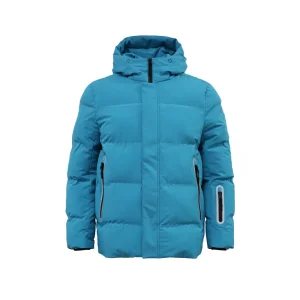
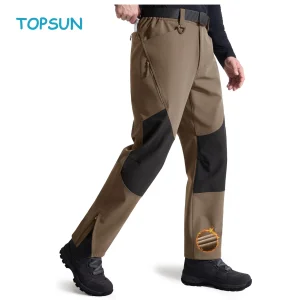
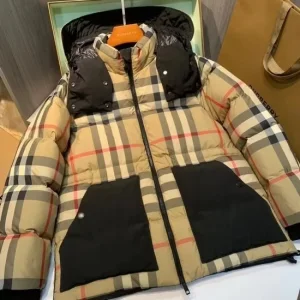
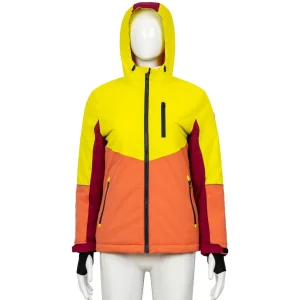
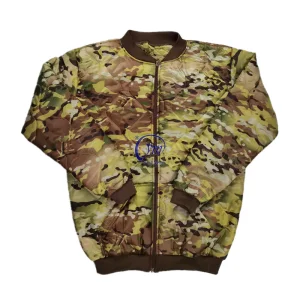
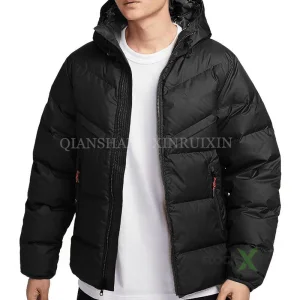
High-performance outerwear engineered for extreme environments.
The global market for thermal insulated coats has transitioned from a niche functional segment to a multi-billion dollar cornerstone of the apparel industry. Driven by the "Gorpcore" trend and increasing extreme weather patterns, the demand for high-performance insulation is at an all-time high. In 2024, the market valuation for thermal outerwear reached an estimated $32.5 billion, with a projected CAGR of 6.2% through 2030.
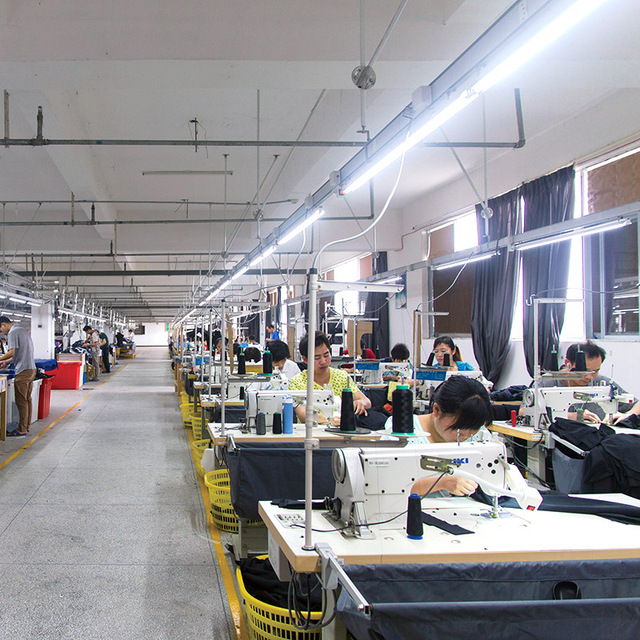
Manufacturers are no longer just cutting and sewing; they are materials science hubs. The shift from traditional heavy-fill down to ultra-lightweight synthetic mimics and aerogel-infused fabrics defines the current industrial status. Key manufacturing hubs in Southern China, specifically Guangzhou and Fujian, have evolved to provide vertically integrated solutions—from R&D of waterproof membranes (like PTFE alternatives) to automated bonding processes that eliminate heat loss through stitch holes.

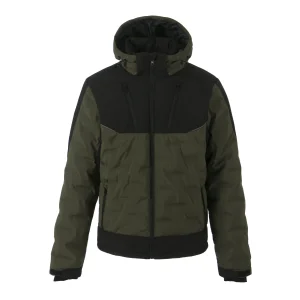
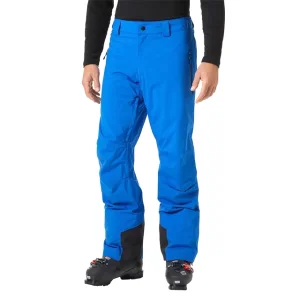
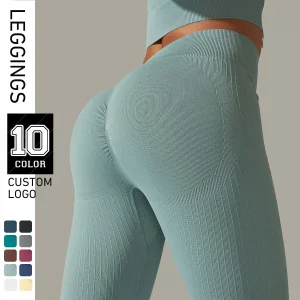
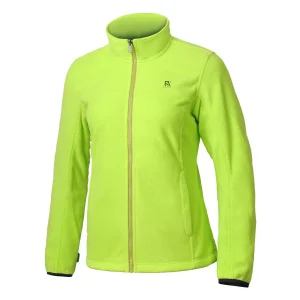
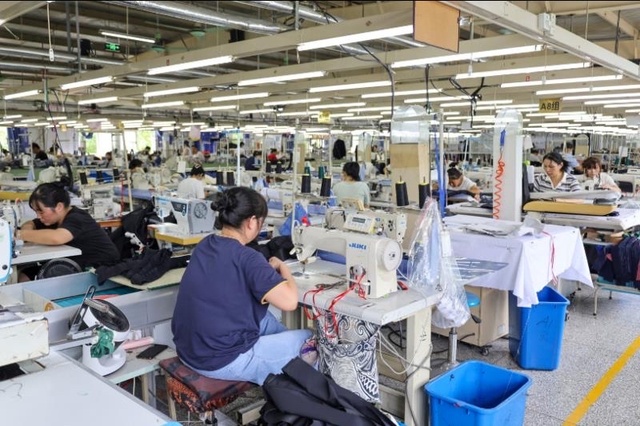
Guangzhou Lifted Clothe Co., Ltd. is a professional outdoor apparel manufacturer specializing in the design, development, and production of high-quality clothing for global markets. With a strong focus on functionality, comfort, and performance, the company offers a wide range of products including down jackets, padded jackets, ski wear, swimwear, and yoga apparel.
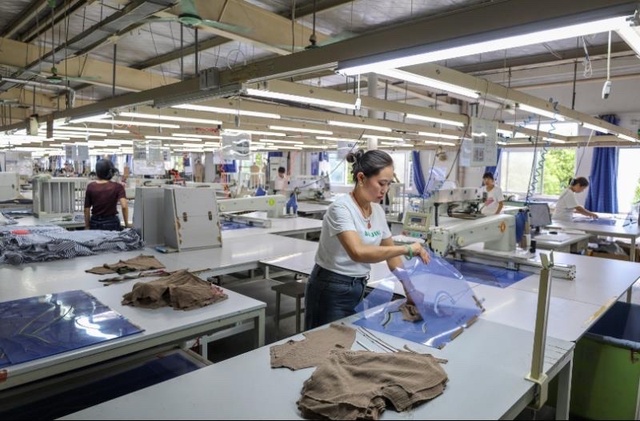
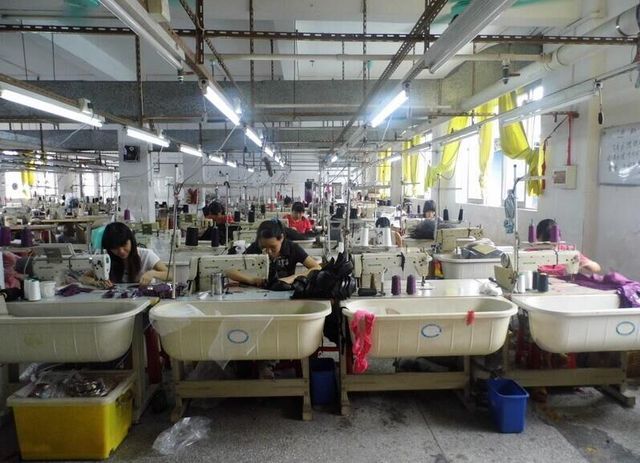
Backed by advanced production facilities and an experienced R&D team, Lifted Clothe is committed to integrating innovative fabric technologies with modern manufacturing processes. Our products are designed to meet the demands of diverse environments, from extreme cold weather to high-intensity sports activities, ensuring durability, breathability, and optimal user experience.
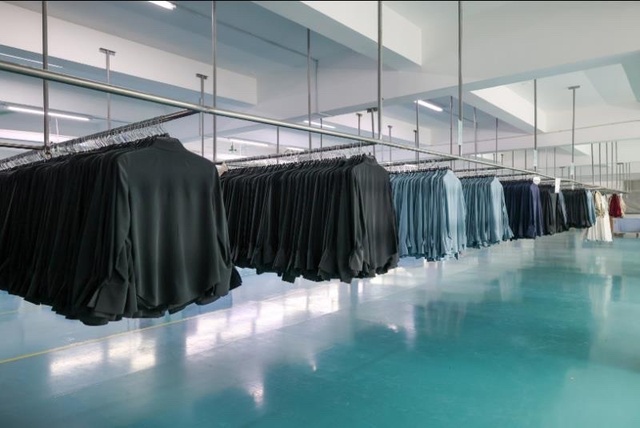
We provide comprehensive OEM and ODM services, enabling brands, distributors, and retailers to customize designs, materials, and branding according to their specific market needs. With strict quality control standards throughout every stage of production, we ensure consistency, reliability, and premium product quality.

The convergence of AI, sustainability, and material science.
Transitioning from petroleum-based polyesters to spider silk proteins and plant-based polymers to achieve zero-carbon manufacturing without compromising CLO values.
Integration of graphene heating elements and Phase Change Materials (PCM) that absorb and release heat based on the wearer's skin temperature.
Using generative design to create non-linear baffle patterns that maximize loft in critical heat-loss zones like the spine and kidneys.
Adopting sustainable DWR (Durable Water Repellent) finishes that provide industrial-grade protection without harmful "forever chemicals."
Implementing RFID and blockchain for 100% traceability from raw down sourcing to the final retail hanger, ensuring E-E-A-T reliability.
Designing jackets that combine different insulation weights (e.g., 800-fill down in torso, synthetic in high-moisture underarms) for specific regional climates.
When selecting a thermal coat factory, "Low Cost" is a dangerous metric. To gain a competitive advantage and maintain brand authority, procurement officers must evaluate the following Information Gain markers:
The "Top 10" list is no longer static; it is dominated by companies like Guangzhou Lifted Clothe who invest in smart manufacturing and circular economy practices. Their ability to serve both high-fashion "puffer" markets and technical "ski-wear" markets demonstrates the versatility required in modern textile leadership.
Localized solutions for diverse industrial and commercial needs.
Requirements: -40°C rating, oxygen mask compatibility, and reinforced elbows. Focus on high-loft goose down and windproof shells.
Requirements: Packable design, aesthetics, and moisture management. Focus on synthetic PrimaLoft® or thin Aerogel layers.
Requirements: High breathability (20k/20k), powder skirts, and helmet-compatible hoods. Focus on mechanical stretch fabrics.
Explore our diverse range of manufacturing capabilities.
Expert answers to critical industry questions.
Traditional down offers the best warmth-to-weight ratio (loft), but loses effectiveness when wet. Modern synthetics like Primaloft or recycled polyester clusters now mimic down's structure while maintaining thermal properties in humid conditions. High-end manufacturers often use a hybrid approach.
The CLO value measures the thermal resistance of clothing. A CLO of 1 is the amount of insulation required by a person at rest to maintain thermal equilibrium in an environment at 21°C. For extreme winter coats, manufacturers aim for a total system CLO of 4.0 to 6.0.
Many top factories, including Guangzhou Lifted Clothe, have optimized their production lines for flexible manufacturing. This allows for lower MOQs for startup brands while maintaining the high-quality standards of mass production.
For professional thermal outerwear, a minimum of 10,000mm water column (10k) is standard. For extreme mountain use, 20,000mm (20k) with a breathability rating of at least 15,000g/m²/24h is recommended to ensure the wearer doesn't get wet from the inside due to sweat.
Serving clients worldwide, Guangzhou Lifted Clothe Co., Ltd. continues to expand its global presence by delivering stylish, functional, and performance-driven apparel. Our mission is to combine innovation and craftsmanship to support partners in building competitive and sustainable apparel brands in the international market.
 Lifted Clothe