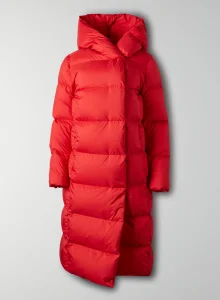
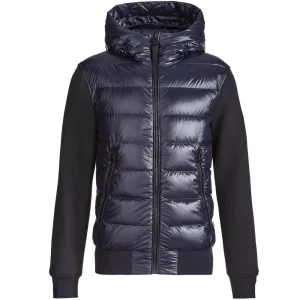
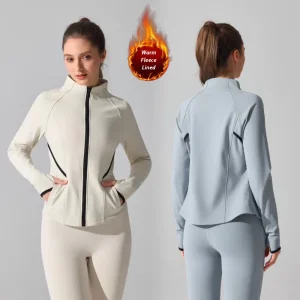
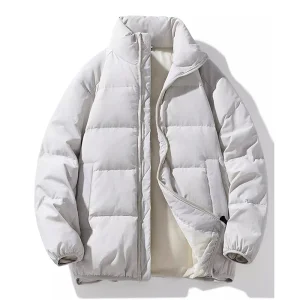
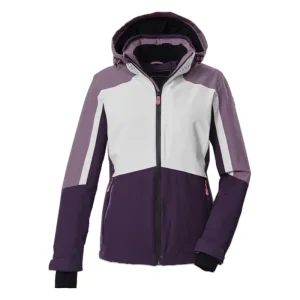
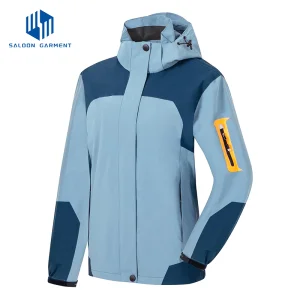
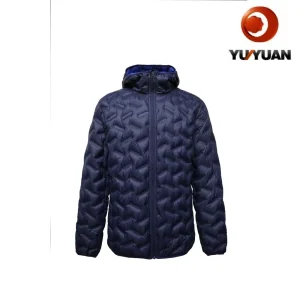
Explore our custom-developed thermal and waterproof collection manufactured to exceed international safety and comfort parameters.
Enterprise Profile and Integrated Production Ecosystem
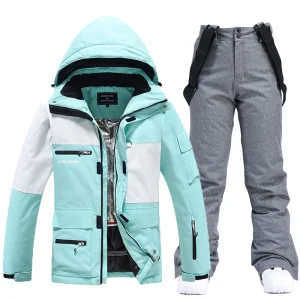
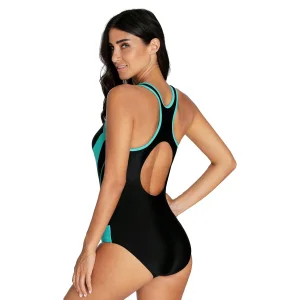
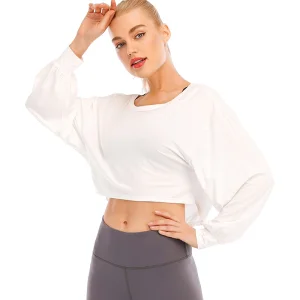
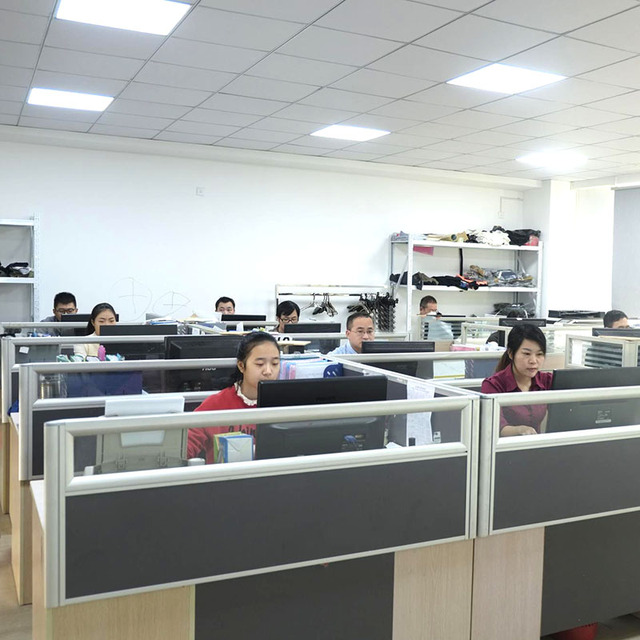
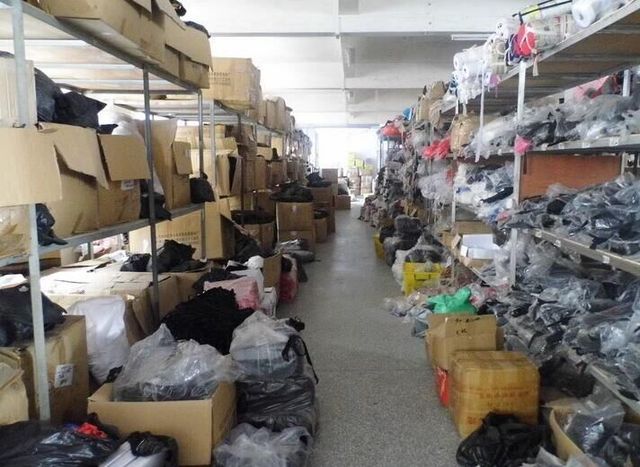
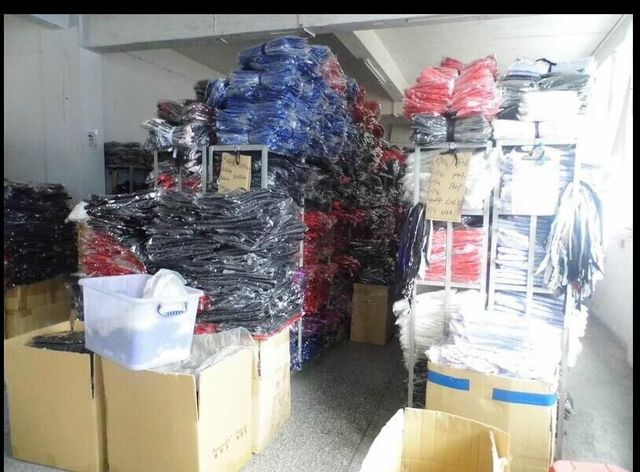
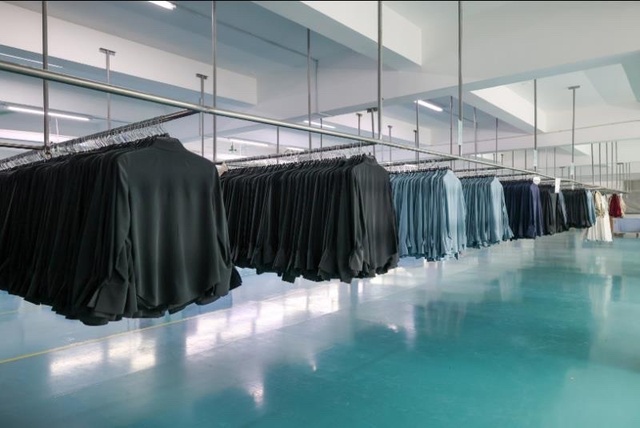
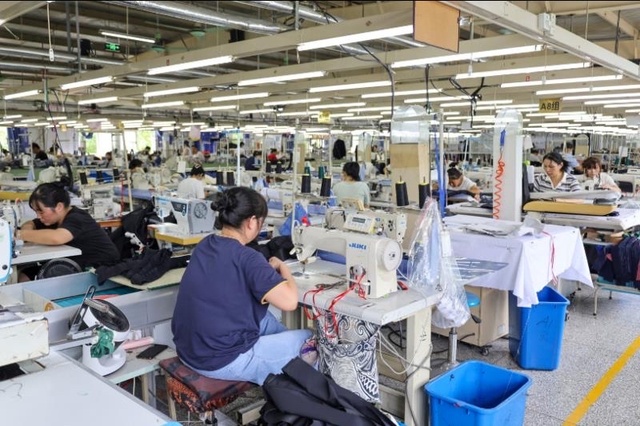
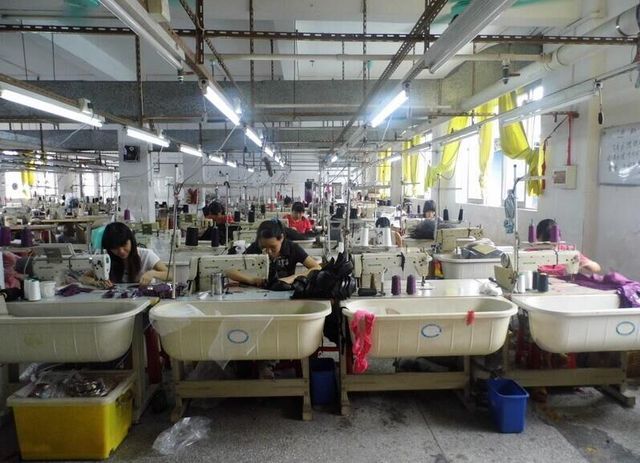
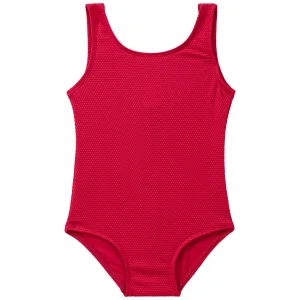
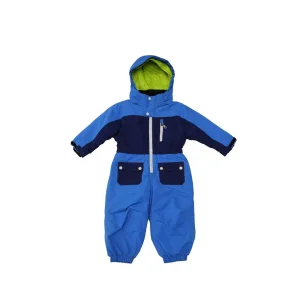
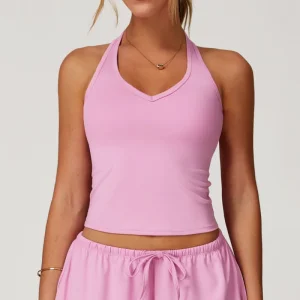
Guangzhou Lifted Clothe Co., Ltd. is a professional outdoor apparel manufacturer specializing in the design, development, and production of high-quality clothing for global markets. With a strong focus on functionality, comfort, and performance, the company offers a wide range of products including down jackets, padded jackets, ski wear, swimwear, and yoga apparel.
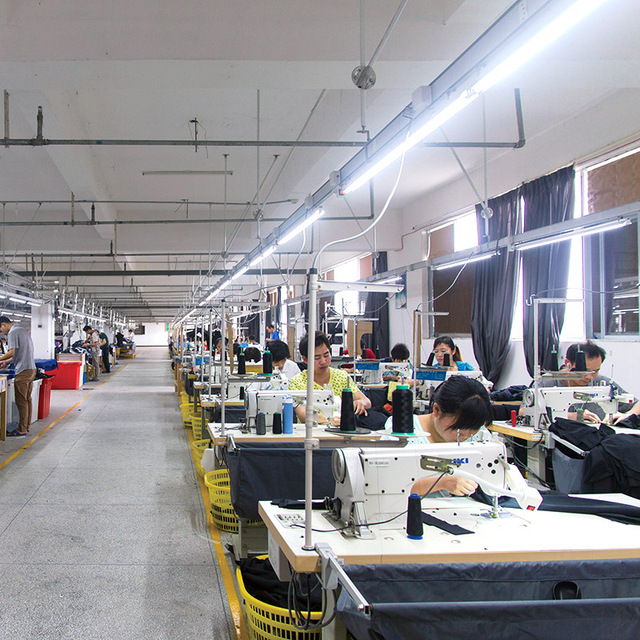
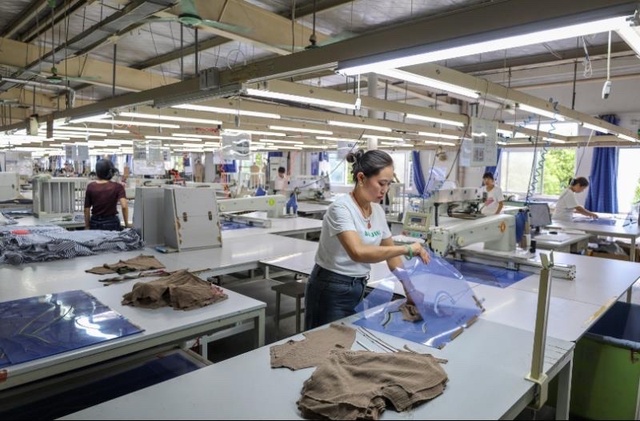
Backed by advanced production facilities and an experienced R&D team, Lifted Clothe is committed to integrating innovative fabric technologies with modern manufacturing processes. Our products are designed to meet the demands of diverse environments, from extreme cold weather to high-intensity sports activities, ensuring durability, breathability, and optimal user experience.
We provide comprehensive OEM and ODM services, enabling brands, distributors, and retailers to customize designs, materials, and branding according to their specific market needs. With strict quality control standards throughout every stage of production, we ensure consistency, reliability, and premium product quality. Serving clients worldwide, Guangzhou Lifted Clothe Co., Ltd. continues to expand its global presence by delivering stylish, functional, and performance-driven apparel. Our mission is to combine innovation and craftsmanship to support partners in building competitive and sustainable apparel brands in the international market.

Analyzing the shifts in marine-grade polymer demands, environmental mandates, and performance standard benchmarks globally.
The industry is moving rapidly from petrochemical SBR/SCR bases to 100% Limestone CR (Chloroprene Rubber) and bio-based plant foams, reducing the carbon footprint by up to 50% while preserving thermal index values.
Traditional stitching is no longer adequate for deep-sea or high-exposure contexts. Ultrasonic welding coupled with liquid polyurethane taping yields 100% waterproof hermetic seals with maximum longitudinal elongation stretch.
Dynamic motion-tracking designs and anatomical 3D modeling are crucial to avoiding muscle fatigue during extended operations. Custom OEM manufacturers must optimize buoyancy curves and seam placement for functional ease.
Understanding the raw material categories, cell structures, and fabrication details that dictate commercial and diving-grade performance.
The baseline quality of any performance wetsuit is determined by the foaming method and raw rubber quality. As an experienced exporter, we classify materials into three core matrices:
Furthermore, our limestone-based neoprene uses calcium carbonate from natural sources instead of oil products, creating 23% more closed micro-cells. This makes it lighter, warmer, and less water-permeable than petroleum-based equivalents.
Constructing a highly functional wetsuit requires balancing thickness, seam durability, and flexibility. Our standard manufacturing workflow supports:
From professional deep-sea operations to heavy industrial environments, we customize technical apparel to specific field demands.
Designed with high-visibility fabrics, integrated survival utility loops, and fire-retardant exterior skin sheets to support emergency responders under storm conditions.
Super-thick 7mm and 9mm CR compressed neoprene designed for deep-water thermal protection, resistant to structural crushing under high atmospheric pressure.
Low-drag hydrodynamic coatings (Glideskin/Smoothskin) paired with ultra-flex underarm panels for triathletes, professional surfers, and competitive paddlers.
How we maintain zero-defect export control, chemical safety compliances, and reliable global transit structures.
Our neoprene raw inputs go through testing for over 150 substances, fully complying with REACH, RoHS, and OEKO-TEX Standard 100 certifications, ensuring skin contact safety.
Every production run is checked for tensile pull strength (MPa limit), high-pressure leakage, compression density index, and UV degradation factor (ASTM standards).
We offer complete tracking transparency from polymer sourcing to final container loading. We verify raw material origins to help brands maintain ethical supply chains.
Deploying sustainable factory practices and next-generation smart materials.
Eliminating traditional organic solvent-based adhesives. Incorporating eco-friendly water-based lamination glues to remove VOC emissions from assembly lines.
Expanding production capabilities to handle 100% plant-derived natural rubbers like Yulex, ensuring dynamic thermal performance with minimal environmental impact.
Implementing AI-driven vector layout software to optimize neoprene sheet cutting yields, reducing scrap waste to less than 3.5% across all OEM runs.
Detailed technical answers regarding materials, volume requirements, custom branding, and shipping logistics.
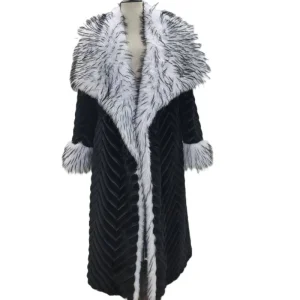
From thermal winter coats to high-stretch activewear, we provide performance apparel with strict quality assurance.
 Lifted Clothe