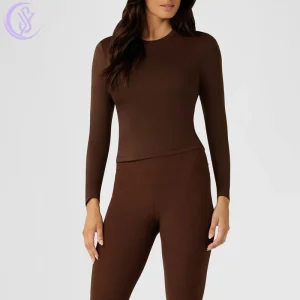

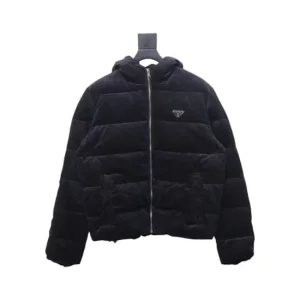
The global biking apparel set market is undergoing a profound paradigm shift. Driven by the surge in urban micro-mobility, long-distance cycle tourism, and high-performance competitive racing, the modern cycling kit is no longer categorized as basic athletic wear. Instead, it operates at the intersection of fluid dynamics, textile chemistry, and ergonomic design.
Today's professional biking apparel sets—typically consisting of matching jerseys, bib shorts (or tights), windproof gilets, and base layers—rely heavily on technical performance attributes. Brand managers, procurement directors, and retail distributors must balance consumer demands for moisture management (hydrophobic properties), muscle stabilization through targeted compression, and aerodynamic drag reduction.

For brands sourcing private-label cycling kits, understanding the physical architecture of a high-end set is critical. Below is a structured blueprint detailing the engineering behind high-tier biking sets.
Using textured, dimpled fabrics (often 80% Polyester, 20% Elastane mix) on the shoulders and upper back to disrupt airflow and generate a laminar boundary layer, lowering drag coefficients during high-speed rides.
Integrated using 3D multi-density foam (ranging from 60kg/m³ to 120kg/m³) paired with moisture-wicking carbon filaments or gel inserts to support ischial bones over 6+ hour endurance sessions.
Hypoallergenic silicone micro-dots applied directly to laser-cut Italian-style bands at the thigh hem. Keeps the bib shorts firmly in place without restricting arterial blood circulation.

Guangzhou Lifted Clothe Co., Ltd. serves as a benchmark manufacturer in the modern outdoor and technical sports apparel segment. The company focuses heavily on functional fabrics, precise ergonomic fits, and comprehensive design-to-delivery support.
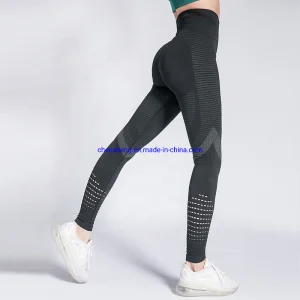
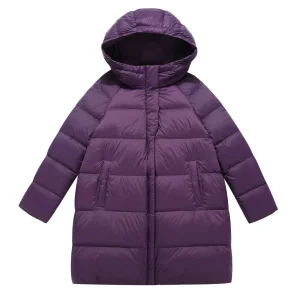
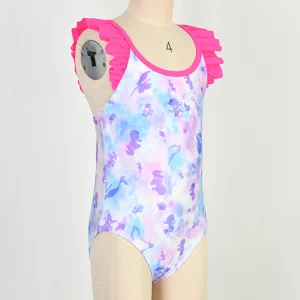
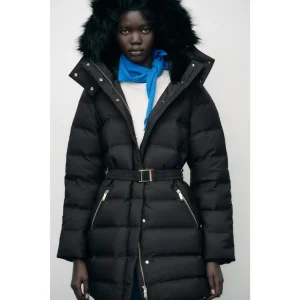
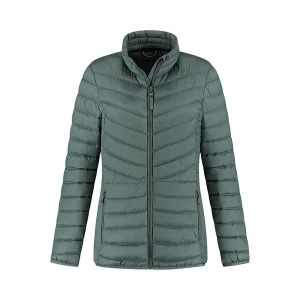
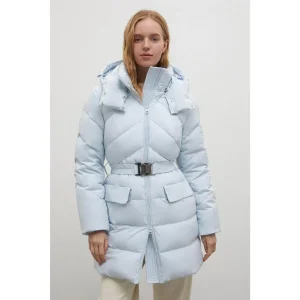
With massive investment in modern R&D capabilities, the factory integrates cutting-edge fabric innovations with highly streamlined manufacturing lines. Their production portfolio extends across winter down coats, highly protective ski jackets, specialized swimwear, and seamless compression activewear—allowing them to apply cross-industry techniques (such as ultrasonic welding and moisture thermal barriers) directly into high-tier cyclewear creation.
Providing end-to-end OEM and ODM services, they enable private labels, retail brands, and cycling teams to execute custom sizing profiles, material sourcing (including eco-friendly Recycled Polyesters), and branding protocols under a strict, multi-step quality control system.
When selecting a production partner, brand managers must weigh manufacturing regions, capabilities, minimum order quantities (MOQs), and material competencies. The following chart delineates the key parameters of the world's top factory categories.
| Manufacturer Group Category | Primary Production Focus | Typical MOQ (Per Style) | Advanced Manufacturing Capabilities | Key Strengths & Compliance |
|---|---|---|---|---|
| Guangzhou Technical ODM Hubs (e.g. Lifted Clothe) | Pro Biking Sets, Down Jackets, Thermal Base Layers | 100 - 500 pcs | Laser-cut hems, Flatlock sewing, Sublimation, 3D Chamois heat pressing | Flexible OEM/ODM, fast turnaround, certified materials (GRS, OEKO-TEX) |
| Italian Boutique Factories | Premium road racing kits, custom teamwear | 50 - 100 pcs | High-end Italian fabric sourcing, custom aero pattern cutting | Ultra-premium branding, high cost structure |
| Taiwanese Performance Fabric Mills | Fabric technology development, cycle gear assemblies | 1,000 pcs | Textile synthesis, yarn-dyed compression wear, circular knitting | Excellent textile R&D, high tooling & setup fees |
| Vietnamese Mass Production Conglomerates | Bulk activewear, casual commuter cyclewear | 5,000+ pcs | High-speed chain stitching, massive scale volume assembly | Low per-unit cost on huge runs, long lead times |
| Siberian/European Cold-Weather Specialists | Thermal winter cycling jackets, fleece tights | 500 pcs | TPU windproof membrane laminations, seam sealing | Excellent sub-zero textile knowledge, higher logistics costs |
| Pakistani Sublimation Specialists | Club cycling jerseys, budget kits | 200 pcs | Wide-format sublimation printing, polyester stitching | Highly competitive entry prices, variable foam chamois quality |
| Zhejiang Seamless Warp Knit Factories | Seamless base layers, compression bibs | 2,000 pcs | Italian Santoni seamless knitting machines, elastomeric zoning | High productivity for compression fittings |
| Fujian Outdoor & Swimwear Giants | Multi-sport apparel, UV protection swimwear | 1,500 pcs | Interlock stitching, automated fabric spreading & cutting | Strong raw material stock, heavy industrial automation |
| Turkish Textile Exporters | Eco-friendly cycling knits, cotton-blend commuters | 500 pcs | Organic yarn processing, basic functional treatment | Quick transit to EU, higher raw material cost base |
| Portuguese Custom Apparel Shops | Premium boutique lifestyle activewear | 300 pcs | Premium finish sewing, eco-friendly dye processes | Excellent design touch, localized European supply hubs |
China remains the undisputed powerhouse of performance activewear production, particularly for technical products like biking apparel sets. This dominant position is supported by three primary pillars:
Factories operating in Guangdong (like Guangzhou Lifted Clothe Co., Ltd.) reside within hours of the world's most advanced functional yarn processors, dye houses, and hardware vendors. Need a specific water-repellent zipper or a highly specialized multi-density Italian-engineered chamois? Sourcing happens in days, not weeks.
By using modern automatic cutting systems, Chinese factories ensure tolerances under 1mm. In biking bibs, where an offset panel of just 2mm can lead to skin chafing or uneven pressure distribution, this absolute digital precision is critical.
Modern supply chains require brands to keep inventories lean to avoid high carrying costs. Chinese manufacturers have developed Agile Production Lines where sample creation is compressed to 3-5 days and initial trial orders of 200 sets can be shipped out rapidly to test regional markets.
Global markets require local customization. Cycling wear configured for the humid summer climates of Southeast Asia differs significantly from sets engineered for the chilly transitions of Northern Europe.
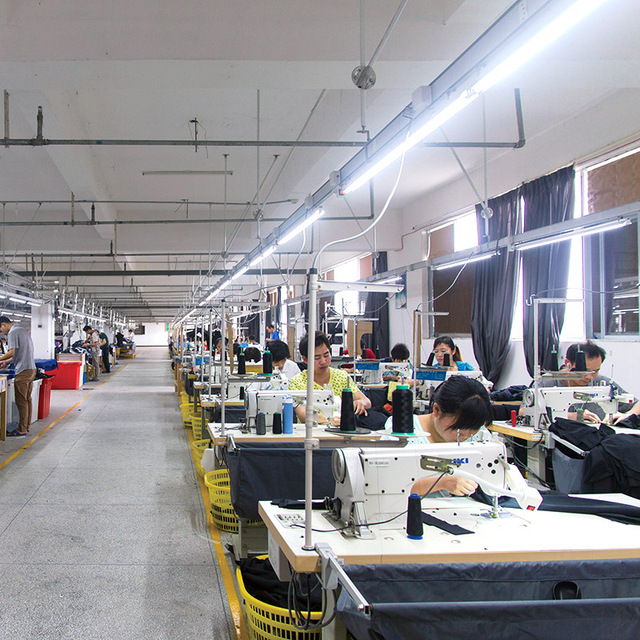
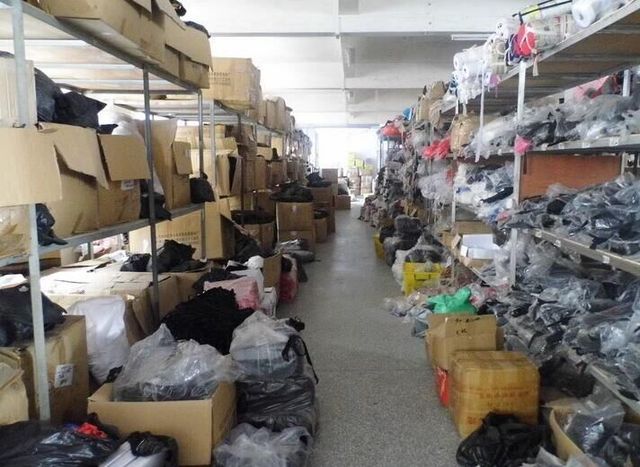
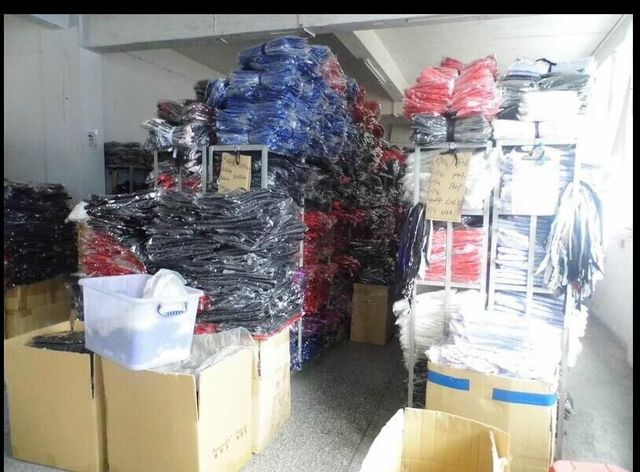
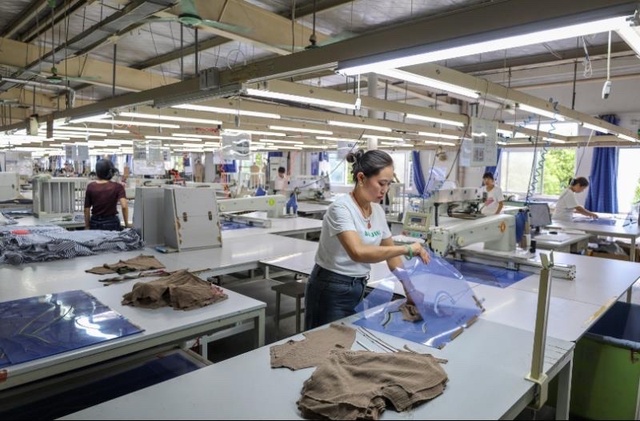
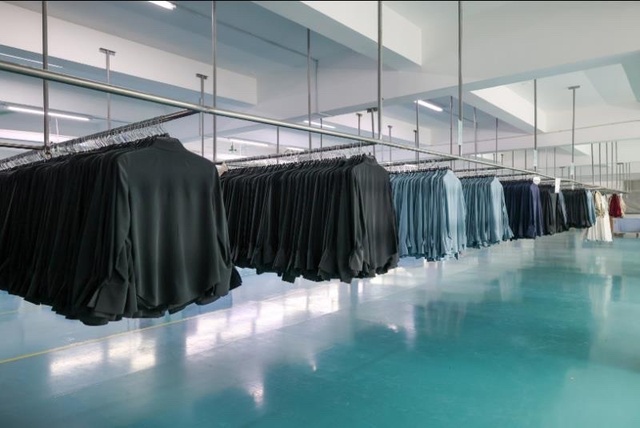
Take an inside look at how high-grade technical apparel is processed, from the initial fabric roll testing to finalized packaging, reflecting high manufacturing E-E-A-T principles.
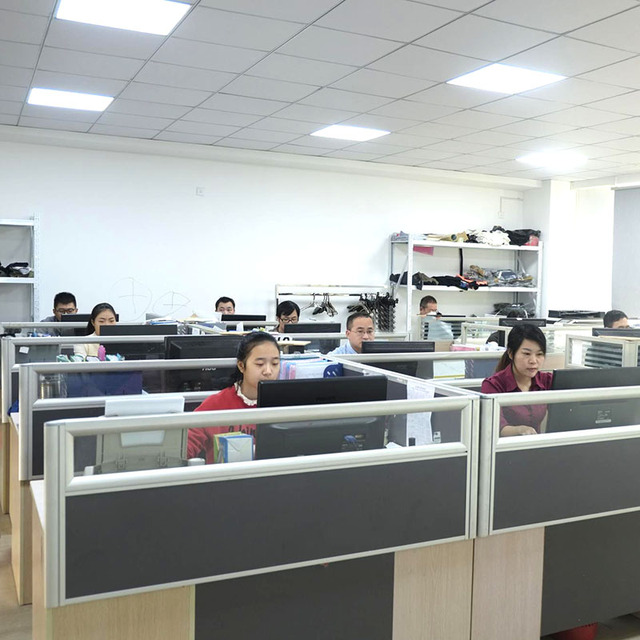
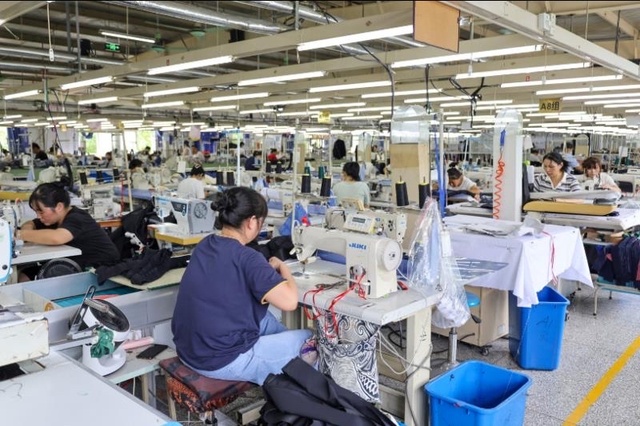
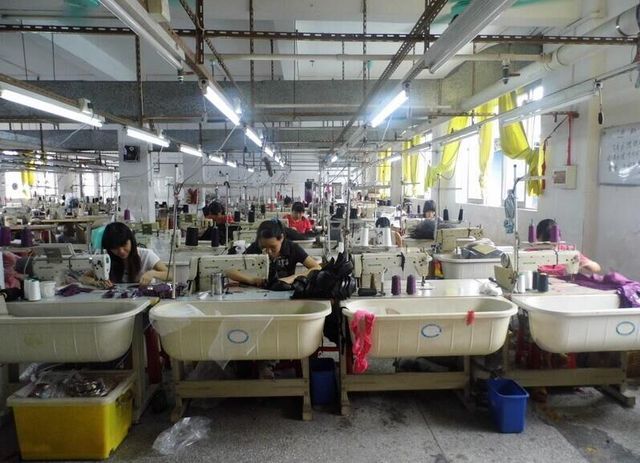
Get answers to common technical, logistics, and production questions faced by sportswear procurement leads and brand owners looking to partner with biking apparel set manufacturers.
 Lifted Clothe