2026 Best Moisture Wicking Sportswear Fabric: Why It Matters?

Time:2026-09-29 Author:Sophia
0%

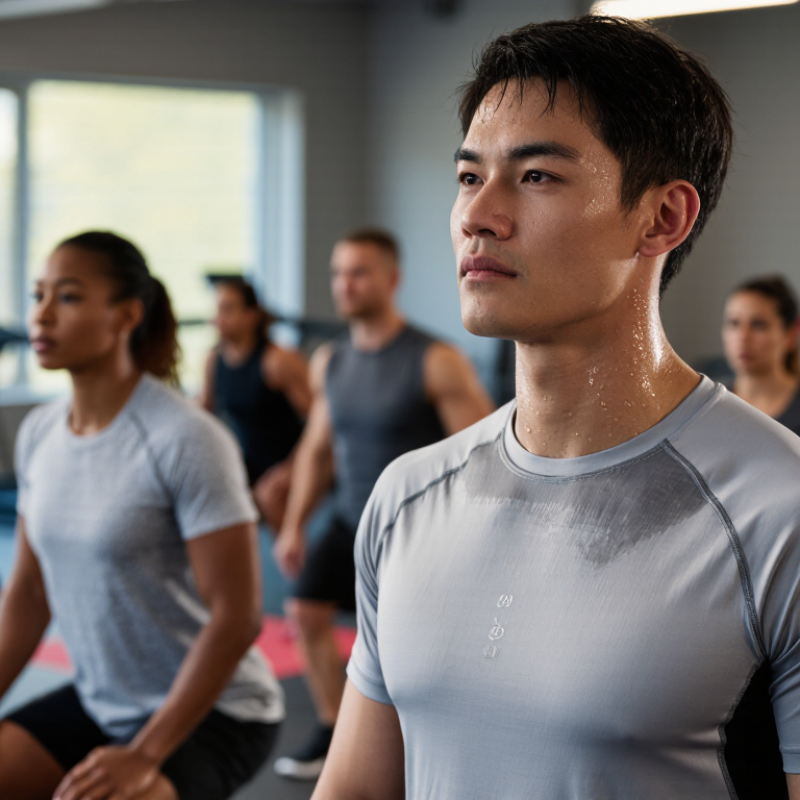
A hard training session can leave a shirt heavy with sweat, clinging across the shoulders and slowing the next movement. The right fabric cannot control body temperature on its own, but it can help move moisture away from the skin. That matters during interval runs, long rides, and team practices where comfort can change from minute to minute. Dryness is not merely a luxury.

Understanding why moisture wicking fabric matters in sportswear starts with how the material handles sweat. Fiber type, yarn structure, fabric weight, and finishing treatments can all affect moisture transfer and drying time. A close-fitting polyester or nylon knit may feel different from a cotton blend, but performance depends on construction and use, not just the label. Feel the fabric.

In this guide to the 2026 best moisture-wicking sportswear fabrics, we’ll compare common options and explain where each may work best. We’ll also look at breathability, durability, fit, and care, because a fast-drying shirt is less useful if it pills or loses its shape. Claims deserve a careful look. No fabric is ideal for every athlete, climate, or workout. A lightweight knit that feels great on a cool morning may disappoint in humid heat, and personal comfort is difficult to measure from a product description alone. That is worth remembering.
2026 Best Moisture Wicking Sportswear Fabric: Why It Matters?

What Moisture-Wicking Sportswear Fabric Is and How It Works

Moisture-wicking sportswear fabric helps move sweat away from the skin toward the garment’s outer surface. There, the moisture can spread and evaporate more readily. The process often relies on fine fibers, shaped yarns, or fabric finishes that encourage liquid to travel through tiny spaces. It is not the same as waterproofing. Sweat still needs somewhere to go.

A useful way to picture it: during a run, sweat gathers along the back and under a backpack strap. A well-designed knit can draw that moisture through its structure, reducing the clammy feel against the skin.

Polyester and nylon are common choices because they absorb relatively little water and can dry quickly. Fiber type alone does not decide performance, though. Yarn construction, fabric weight, finish, and fit all matter. Too tight, and airflow may suffer.

Not magic. Wicking does not make a garment instantly dry or keep every wearer cool. Humidity, pace, and ventilation change how well evaporation works. A fabric may feel comfortable during a short workout yet stay damp during a long, humid session. That distinction is easy to overlook. When comparing sportswear, check how the material feels when damp, how quickly it dries after washing, and whether seams or layers trap moisture. A small fabric swatch can tell you something, but real wear tells you more.

Key Fibers and Fabric Structures Used for Moisture Management

Moisture-wicking performance depends on both fiber chemistry and fabric construction. Polyester and polypropylene absorb little water; carefully formed yarns can move sweat through tiny spaces between fibers. Nylon may feel smooth and durable, but drying speed also depends on yarn shape, fabric weight, and finishing. Merino wool absorbs moisture within its fibers and can help moderate clammy sensations, though it may dry more slowly. No fiber suits every workout.

Knits shape how moisture travels. Mesh zones allow airflow and can help sweat evaporate, while textured or channeled yarns create pathways that spread liquid across the fabric surface. Double-knit fabrics can place a smoother layer against skin and a more open layer outside. Still, a dense construction may feel hot during hard intervals. Small design choices matter.

Tips: Check the fabric label, then consider the activity and climate. For a humid run, try a lightweight, open-knit top. Test the garment during movement, not just in a fitting room; comfort can change once the fabric is damp.

How to Compare Moisture-Wicking Fabrics for Performance and Comfort

When comparing moisture-wicking sportswear fabrics, look beyond the label. “Moisture-wicking” is not one performance grade. Polyester often moves sweat quickly and dries efficiently. Nylon usually feels smoother and may offer better abrasion resistance. Blended fabrics can balance softness, stretch, and drying speed. Fabric weight matters, too. A light mesh dries fast, while a dense knit may feel warmer during hard training.

Comfort depends on what happens after sweating. Test fabric against your skin, not only between your fingers. Check stretch recovery, seam placement, and how the material behaves under a backpack. In garment testing, I have found that lab data cannot show everything. A fabric may dry quickly but feel clammy after repeated movement. Another may manage sweat well but retain odor after several washes. Climate changes the result. Humid conditions expose weaknesses faster. I sometimes underestimate this detail.

Tips: Compare fabrics after washing them according to care instructions. Record drying time, cling, odor, and softness. Try the same fabric during walking and high-intensity exercise. Look for clear fiber content and tested performance data. Also, question very broad claims. A small sample can mislead you. Test more than once.

Moisture regain indicates how much water a fiber absorbs from humid air. Lower-regain fibers such as polypropylene and polyester generally dry faster, while higher-regain fibers such as cotton and wool can feel more absorbent but may retain moisture longer. Actual moisture-wicking performance also depends on yarn structure, fabric construction, finishing, and garment fit.

Why Moisture-Wicking Fabric Matters Across Sports and Conditions

Why Moisture-Wicking Fabric Matters Across Sports and Conditions

Sports participation is expanding, but comfort remains highly conditional. The WHO Global Status Report on Physical Activity 2022 estimates that 31% of adults worldwide are insufficiently active. Better clothing cannot replace movement, but it can remove one avoidable barrier: trapped sweat against the skin.

During running or cycling, moisture-wicking fibers move liquid toward the outer surface. Airflow can then support evaporation. This matters most in humid weather, where sweat evaporates slowly. It also helps indoors, where intense training can quickly saturate a cotton shirt. The 2024 Sports & Fitness Industry Association Topline Participation Report recorded 242.1 million Americans participating in at least one sport or fitness activity in 2023. That range includes short gym sessions, long hikes, and changing climates.

Cold conditions need a different reading. A wet base layer can accelerate heat loss after exercise stops. Quick drying therefore matters as much as absorption. In garment development, AATCC TM195 and ISO 11092 help assess moisture management and evaporative resistance. These tests are useful, but laboratory results cannot fully predict real wear. Fit, ventilation, layering, and fabric weight still change performance. I would not call wicking magic. That assumption needs revisiting. A very tight garment may hold moisture, while a loose one may lose contact with the skin. A practical test is simple: wear the fabric during repeated movement, then check drying time, cling, odor, and comfort after cooling down.

2026 Best Moisture Wicking Sportswear Fabric: Why It Matters? - Why Moisture-Wicking Fabric Matters Across Sports and Conditions

Sport or Condition Primary Moisture Challenge Recommended Fabric Construction Useful Performance Properties Why Moisture Management Matters Practical Design Guidance
Running and road cycling High sweat production, repeated movement, and limited airflow under close-fitting garments. Lightweight knitted polyester or polyamide with capillary channels, mesh zones, and a smooth inner surface. Fast liquid spreading, quick drying, low fabric weight, breathability, and low cling when wet. Moving sweat away from the skin can improve comfort and reduce the sensation of a heavy, saturated garment. Use zoned ventilation at the back, underarms, and sides; avoid excessive fabric density in high-sweat areas.
Indoor gym and strength training Localized perspiration, friction, and repeated contact with benches or equipment. Medium-weight stretch knit with a wicking face, durable outer surface, and targeted mesh panels. Moisture spreading, abrasion resistance, stretch recovery, opacity, and odor-control treatment when properly tested. A dry-feeling inner surface can limit discomfort during repeated sets and reduce fabric adhesion during movement. Balance openness with coverage because very open meshes may compromise durability, opacity, or support.
Team sports Sweat combined with bursts of activity, body contact, and frequent starts and stops. Durable warp-knit or weft-knit polyester with engineered mesh zones and reinforced seams. Rapid drying, tear resistance, colorfastness, dimensional stability, and controlled stretch. Moisture control helps maintain mobility and comfort when garments cannot be changed during competition. Prioritize construction quality and seam placement as much as fiber choice; wicking performance cannot compensate for poor fit.
Hot and humid climates High environmental humidity slows evaporation and may cause persistent wetness. Open, lightweight knit with hydrophobic synthetic fibers, high air permeability, and a low moisture-holding structure. Air permeability, liquid spreading, low moisture regain, and low drying time under humid conditions. Evaporation is restricted by humid air, so spreading sweat over a larger area and improving airflow becomes especially important. Do not judge performance only in a dry laboratory; evaluate drying and comfort at the intended temperature and humidity.
Cold-weather endurance sports Perspiration from exertion followed by rapid cooling during rest, descents, or reduced activity. Layered construction: wicking base layer, insulating mid-layer, and breathable weather-resistant outer layer. Moisture transport, thermal insulation when damp, breathability, and controlled air exchange. Reducing liquid accumulation near the skin helps limit conductive and evaporative heat loss during changes in activity. Use a close but non-compressive base layer; a fabric that dries quickly is not automatically the warmest option.
Swimming and water sports External water exposure, prolonged wetness, chlorine or salt, and resistance from water movement. Close-fitting polyamide or polyester/elastane construction with low water absorption and chlorine-resistant specifications where required. Low water retention, shape recovery, UV resistance, chemical resistance, and secure fit. Traditional sweat-wicking behavior is less important in water; minimizing water retention and preserving fit are the main priorities. Assess performance after repeated exposure to chlorine, salt water, sunscreen, and laundering rather than only before use.
Yoga, pilates, and low-impact training Moderate perspiration, prolonged skin contact, stretching, and the need for soft hand feel. Soft stretch knit with a smooth inner surface, moderate wicking, and sufficient opacity in extended positions. Comfortable moisture spreading, four-way stretch, recovery, low irritation, and squat-proof coverage. Comfort depends on moisture control, softness, fit, and low friction rather than maximum drying speed alone. Check transparency and seam pressure during deep flexion; a very lightweight fabric may sacrifice coverage.
Long-duration outdoor work or hiking Variable exertion, pack pressure, changing weather, and limited opportunities to change clothing. Durable synthetic or synthetic-natural blend with wicking inner yarns, reinforced zones, and ventilation openings. Drying speed, abrasion resistance, odor management, UV resistance, and stable performance after washing. Consistent moisture transport can support comfort over many hours, especially under backpack straps or protective equipment. Test fabric and garment together because pack contact, seams, coatings, and fit can reduce real-world airflow.
Material or Feature Relevant Characteristic Best Use Consideration Important Limitation
Polyester Low moisture regain, commonly about 0.4% under standard textile test conditions; can be engineered into highly capillary yarns. High-output sports, lightweight base layers, and quick-drying garments. Fiber-level hydrophobicity does not guarantee wicking; yarn shape, knit structure, finishes, and garment fit are also decisive.
Polyamide Higher moisture regain than polyester, commonly about 4% under standard conditions; typically offers a soft hand feel and good abrasion resistance. Close-fitting garments where softness, durability, and stretch comfort are important. May retain more moisture and dry more slowly than comparable polyester constructions.
Cotton Moisture regain is commonly about 8.5% under standard conditions; absorbs liquid readily and provides a familiar soft feel. Low-intensity activities, casual sportswear, or blends where softness is prioritized. Can become heavy and slow to dry when saturated, making it less suitable for prolonged high-sweat activity.
Wool Moisture regain is commonly around 13–17% under standard conditions; absorbs vapor while retaining useful thermal insulation. Cold-weather base layers and activities requiring thermal comfort across changing conditions. Generally dries more slowly than lightweight synthetic fabrics and requires careful care to limit shrinkage or felting.
Mesh or engineered knit zones Increase air exchange and reduce local fabric mass in high-heat areas. Underarms, upper back, side panels, and other areas with high sweat or heat buildup. Excessive openness can reduce coverage, durability, wind protection, and support.
Wicking finish or treatment Can improve surface wetting and spreading, but performance may change after laundering or abrasion. Useful when combined with suitable yarn geometry and fabric construction. Should be validated after repeated washing; a finish alone cannot replace a well-designed fabric structure.

Note: Moisture-wicking performance depends on fiber type, yarn geometry, fabric structure, finishing, garment fit, body movement, temperature, humidity, and laundering. Common evaluation methods include moisture management testing such as AATCC TM195, drying-time testing such as AATCC TM201, and thermal or evaporative resistance testing such as ISO 11092. Moisture regain values are approximate reference figures measured under standard textile conditioning conditions and should not be treated as direct predictions of garment comfort.

How to Choose the Right Fabric for Your Activity and Care Needs

Choosing moisture-wicking sportswear starts with your activity, not a fabric label. For outdoor running, lightweight polyester or nylon blends can move sweat from skin and dry quickly. Mesh panels help during humid sessions, but they may expose skin to wind and sun. For yoga, a soft knit with moderate stretch can feel better than slick, fast-drying fabric. Indoor cycling creates heavy sweat, so prioritize quick drying and odor control. Do not trust touch alone. A smooth shirt can still trap moisture.

Care needs can change the decision. Check the care label before buying several pieces. Some technical fabrics keep their shape with cold washing and low heat. High dryer temperatures may weaken elastane and reduce stretch. I have found that air-drying takes longer, but it often protects fit. Fabric softener can coat fibers and reduce wicking performance. That small laundry habit matters. Wash sweaty clothing soon, especially after long sessions. If washing is impossible, hang it fully open instead of leaving it in a gym bag.

Think about weather, skin sensitivity, and training frequency. A thin layer may suit summer, yet feel cold after a winter workout. Merino blends offer warmth and odor resistance, but they need gentler care and may dry more slowly. People with sensitive skin should test seams, waistbands, and rough mesh first. No fabric works perfectly everywhere. I sometimes choose comfort over maximum drying speed, and that trade-off feels reasonable during regular training.

FAQS

What does moisture-wicking fabric do?

It moves sweat away from your skin toward the garment’s outer surface. There, moisture can spread and evaporate. Not instantly.

Is moisture-wicking fabric waterproof?

No. It helps move sweat, but it does not block all water. Sweat still needs airflow and somewhere to evaporate.

Which fibers are commonly used in moisture-wicking sportswear?

Polyester often dries quickly, while nylon can feel smooth and resist abrasion. Blends may balance softness, stretch, and drying speed.

Does a lighter fabric always feel cooler?

Not always. Light mesh may dry quickly, while a dense knit can feel warmer during hard exercise. Fit and ventilation matter too.

How can I test a fabric’s comfort?

Wear it against your skin during movement. Notice cling, seam placement, and how it feels under a backpack strap. Try it damp.

Does humidity affect moisture-wicking performance?

Yes. Humid air can slow evaporation, so fabric may stay damp during a long workout. Short tests can miss this.

What should I check after washing sportswear?

Follow the care instructions, then note drying time, softness, cling, and odor. I sometimes forget that repeated washes can change the feel.

Are labels enough to compare fabrics?

No. Look for clear fiber content and tested performance details, but treat broad claims carefully. A small swatch can mislead you.

Conclusion

Moisture-wicking sportswear fabric is designed to move sweat away from the skin, spread it across the surface, and help it evaporate quickly. This process supports a drier, more comfortable feel during exercise and can help regulate body temperature. Different fibers, such as synthetic and selected natural options, offer varying levels of absorption, drying speed, softness, stretch, durability, and breathability. Fabric construction also matters, since knitted structures, surface textures, and ventilation zones can influence moisture movement and airflow.

Understanding why moisture wicking fabric matters in sportswear helps athletes choose materials that match their activity, climate, and comfort preferences. Runners may prioritize lightweight, fast-drying fabrics, while outdoor users may need a balance of moisture control, warmth, and weather resistance. When comparing options, consider drying performance, breathability, odor management, flexibility, skin feel, and long-term care requirements. The right fabric should support performance while remaining comfortable and easy to maintain.

Sophia

Sophia

Sophia is a dedicated marketing professional with an exceptional depth of knowledge about her company's products and services. With a keen understanding of market trends and customer needs, she crafts insightful blog posts that not only inform but also engage readers, enriching the company’s online......