In the dynamic world of fashion, what trends are shaping modern sportswear stands as a pivotal question. Athletes and fitness enthusiasts seek both style and functionality in their apparel. Brands strive to blend innovation with aesthetics to meet these demands.
Sustainability has emerged as a significant theme. Consumers now favor eco-friendly materials and ethical production processes. This shift reflects a broader awareness of environmental issues. Meanwhile, the rise of technology in sportswear is notable. Wearable tech and smart fabrics enhance performance and track fitness metrics, appealing to tech-savvy individuals.
However, the evolution of sportswear is not without its challenges. With an oversaturated market, distinguishing one's brand becomes imperative. Consumers often face overwhelming choices. Balancing comfort with trendiness also requires careful consideration. Brands must navigate these complexities to capture the modern athlete's attention. Ultimately, the landscape of sportswear continues to evolve, driven by trends that demand both innovation and introspection.
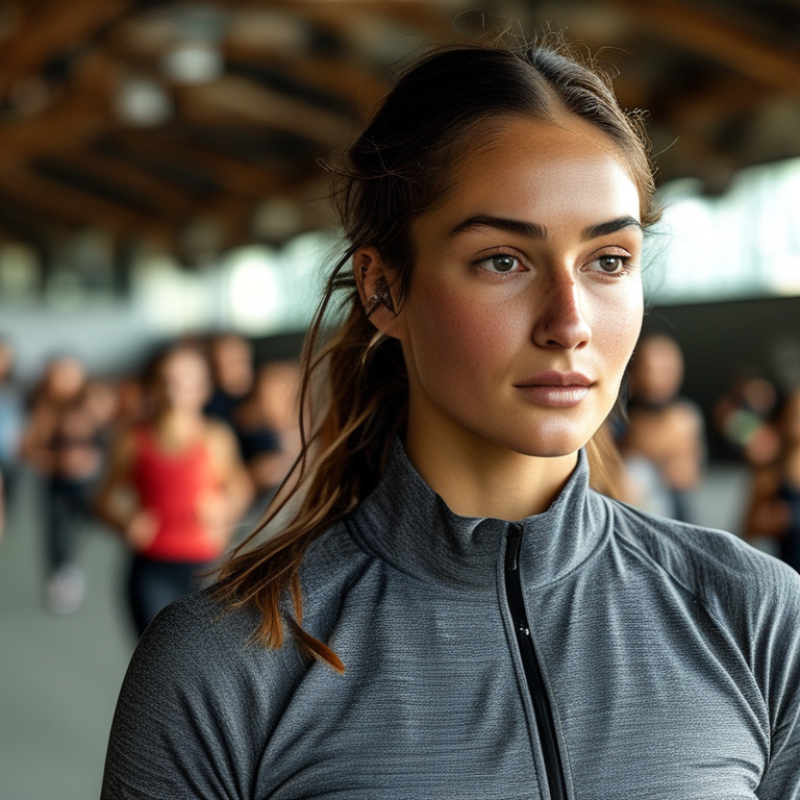
The rise of sustainable materials in sportswear design is transforming the industry. Designers increasingly turn to eco-friendly fabrics like organic cotton, recycled polyester, and hemp. These materials reduce environmental impact and promote sustainable practices. Consumers are more aware of their choices. They prefer brands that prioritize sustainability.
Incorporating sustainable materials is not always straightforward. Many brands struggle with sourcing and production costs. The challenge lies in balancing affordability and eco-consciousness. However, innovative solutions emerge as technology advances. For instance, some companies use plant-based dyes instead of harmful chemicals. This shift contributes to a healthier planet.
Sustainability in sportswear presents a learning curve. While some efforts show promise, the industry must navigate complexities. Transparency in production processes is vital. Consumers demand accountability from brands. Adopting sustainable practices can seem daunting but is essential for future growth. Through collaboration and innovation, the sportswear market can evolve toward a greener future.
The impact of technology on modern sportswear is profound. Innovations in fabric technology enhance athletic performance. For example, moisture-wicking materials draw sweat away from the body, improving comfort and efficiency during workouts. According to a recent market report, over 57% of athletes prefer activewear that promotes breathability.
Wearable technology is another area transforming the sportswear landscape. Devices that track heart rate, calories burned, and distance traveled have become mainstream. These gadgets provide athletes with real-time feedback, allowing them to adjust their training. Approximately 35% of users reported improved performance after using these devices. However, the reliance on technology raises questions. Data privacy issues and potential distractions during workouts warrant careful consideration.
Additionally, smart fabrics are emerging, integrating sensors to monitor performance metrics. These fabrics respond to body movements, offering personalized feedback. Despite the advantages, the integration of technology brings challenges. For instance, the durability of these high-tech materials remains a concern. Users experience mixed results regarding their longevity and reliability. The innovation in sportswear, while exciting, requires ongoing adaptation and critical evaluation from both manufacturers and consumers.
The rise of athleisure marks a significant shift in modern sportswear. Consumers increasingly seek clothing that blends comfort with style. According to a report by McKinsey, the athleisure market has grown dramatically, projected to reach $350 billion by 2025. This trend emphasizes not only functionality but also aesthetic appeal in everyday wear.
Designers are now focused on creating versatile pieces. The materials used are often moisture-wicking, durable, and stretchy. These qualities ensure that athletic wear functions both in the gym and in casual settings. However, the depth of choices can be overwhelming, leading to consumer confusion. Shoppers may struggle to find the perfect balance between fit and function. Adopting a more minimal approach to athleisure may be wise.
**Tips:** Choose pieces with high versatility. Look for items that can transition from workouts to meetings seamlessly. Remember, while trends are essential, comfort and personal style should remain a priority. Reflect on how often you wear each item. Prioritize quality over quantity for a more sustainable wardrobe.
Social media and celebrity endorsements profoundly influence modern sportswear trends. With platforms like Instagram and TikTok, athletes and influencers set the stage for style. Their ability to showcase the latest gear to millions shapes what consumers desire. The immediacy of social media accelerates trends. A photo or video can spark a wave of popularity overnight.
Sportswear has moved beyond just functionality; it is now a statement of identity. People search for pieces that not only perform well but also express personal style. Celebrities play a huge role here. Their style choices are closely watched and often replicated. This cycle keeps consumers engaged and hungry for more. However, not all trends last. Some pieces become quickly outdated, leaving consumers with unwanted clothing.
**Tips:** Invest in versatile pieces that blend function and style. This ensures longevity in your wardrobe. Always consider whether a trend truly resonates with you rather than blindly following influencers. Reflect on your choices, and opt for clothing that promotes confidence and comfort. Remember, true style comes from within, not just from external sources.
| Trend | Influence of Social Media | Celebrity Endorsements | Popularity Level |
|---|---|---|---|
| Athleisure | Highly Influential - Influencers showcase daily wear | Widely Endorsed - Many celebrities wear athleisure in public | Very High |
| Eco-Friendly Materials | Gaining Momentum - Awareness raised through social campaigns | Increasingly Promoted - Celebrities advocate for sustainability | Moderate |
| Customized Gear | Personalized Content - Influencers share customizable options | Occasional Endorsements - Celebrities feature personalized items | Moderate |
| Smart Sportswear | Emerging Trend - Tech influencers create buzz | Sporadic Endorsements - Selected experts promote products | Growing |
| Inclusivity in Sizing | Strongly Supported - Influencers advocate for body positivity | Frequently Promoted - Celebrities emphasize inclusivity | High |
In the ever-evolving world of sportswear, customization and personalization are at the forefront. Athletes and fitness enthusiasts seek clothing that reflects their individuality. Custom options allow wearers to choose colors, patterns, and even fit, ensuring that sportswear is not only functional but also stylish.
One trend gaining traction is 3D printing. This technology enables precise fitting and unique designs. Imagine a shirt tailored exactly to your body shape. Such personalization boosts comfort and performance. However, it raises questions about sustainability. Can we balance custom designs with eco-friendly practices?
Tips: When selecting personalized sportswear, consider fabric quality. Invest in breathable materials that enhance performance. Always double-check the sizing guide; returns can be a hassle. Don’t shy away from experimenting with bold designs that represent your personality. Embrace the unique as part of your athletic journey. Personal touches can make a significant difference in motivation and confidence.
: Innovations in fabric technology enhance performance by using moisture-wicking materials that improve comfort during workouts.
Wearable devices track metrics like heart rate and calories. They offer real-time feedback, helping athletes adjust their training efficiently.
Approximately 35% of users report improved performance after using wearable devices, highlighting their positive impact.
Yes, there are data privacy issues and potential distractions during workouts that users should consider carefully.
Smart fabrics integrate sensors that monitor performance metrics. They respond to body movements for personalized feedback, yet their durability can be questioned.
Athleisure combines comfort with style, making it desirable for both workouts and casual settings, reflecting a major trend in sportswear.
The vast selection can be overwhelming. Shoppers often struggle to find the right balance between fit and functionality.
Adopting a minimal approach may help. Prioritize pieces that offer versatility and comfort over trendy but impractical items.
They greatly influence desires for style, creating waves of popularity with just a post, making sportswear a statement of identity.
Reflect on whether the trend resonates personally, rather than blindly following influencers. True style comes from confidence and comfort.
In recent years, several key trends are shaping modern sportswear, reflecting a shift towards more innovative and consumer-centric designs. The emergence of sustainable materials has become a cornerstone of sportswear design, with brands prioritizing eco-friendly fabrics that reduce environmental impact. Alongside this, advancements in technology are enhancing performance and user experience, providing athletes with gear that is not only functional but also equipped with smart features.
Additionally, the rise of athleisure has blurred the lines between fashion and functionality, allowing consumers to seamlessly transition from workouts to everyday activities. Social media and celebrity endorsements play a significant role in influencing these trends, driving consumer engagement and shaping preferences. Furthermore, personalization and customization options have started to redefine modern sportswear solutions, enabling individuals to tailor products to meet their unique needs. These trends collectively illustrate how the sportswear industry is evolving to meet the demands of a contemporary audience.

Lifted Clothe