When winter approaches, choosing the right jacket becomes crucial. Understanding what makes a jacket warm in winter is essential for staying comfortable. Various factors contribute to a jacket's warmth, and knowing them can enhance your winter experience.
Insulation materials play a key role. Down, fleece, and synthetic fibers each have unique properties. A jacket's ability to trap body heat matters. Consider how well it retains warmth on cold days. Additionally, the jacket's fit impacts insulation. A snug fit prevents cold air from entering.
Another important factor is the exterior material. Water-resistant or waterproof fabrics shield against winter elements. Breathability is also vital. A warm jacket should allow moisture to escape. Reflecting on these aspects can help make an informed decision. Understanding these elements leads to better choices. In the end, the goal is to stay warm and comfortable during the chilly months.
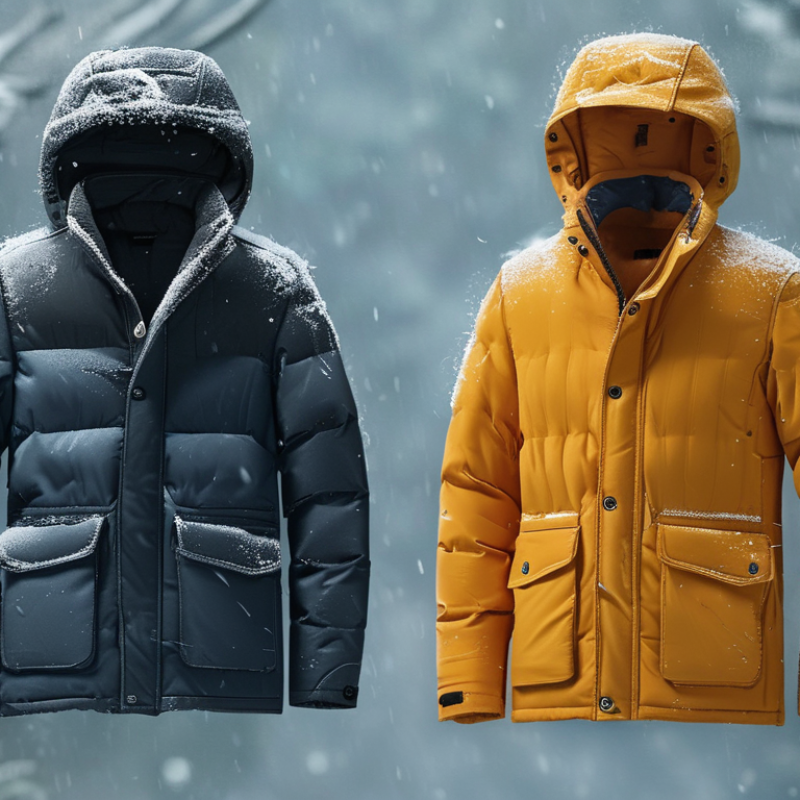
Insulation Materials: Key Components for Winter Jacket Warmth
Insulation materials play a crucial role in determining the warmth of winter jackets. Various types of insulation are available, each with unique properties. Down insulation, known for its lightweight and compressibility, provides excellent warmth-to-weight ratios. According to industry reports, high-quality down insulation can trap heat effectively, offering warmth even in frigid temperatures.
Synthetic insulation, on the other hand, has gained popularity due to its moisture-resistance and durability. Materials like polyester fibers mimic down's insulating properties while remaining effective in wet conditions. Reports suggest that synthetic options can perform well in temperatures as low as -20°F, making them essential for winter adventures.
However, insulation isn’t everything. The jacket's design and construction also contribute significantly to its warmth. For instance, an improperly fitted jacket may allow cold air to seep in, negating the benefits of high-quality insulation. Evaluating the layering and overall fit is necessary, especially when considering extreme weather conditions. While insulation materials are fundamental, achieving optimal warmth requires a holistic approach to jacket selection.
Layering Techniques: How Multiple Layers Enhance Heat Retention
Layering is essential for staying warm in winter. A well-planned layering system traps heat and keeps cold air out. The base layer, usually made of moisture-wicking materials, helps keep your body dry. This layer rests directly against your skin. Natural fibers like wool can also be excellent choices. They provide warmth and manage moisture effectively.
The middle layer adds insulation. Fleece or down materials work well here for retaining heat. The thicker this layer, the more warmth it provides. However, it’s important not to sacrifice mobility. A bulky middle layer can restrict movement.
Finally, an outer layer protects against wind and moisture. Windbreakers or waterproof shells block harsh conditions. Selecting the right outer layer matters. A well-sealed jacket can further enhance warmth. Properly layering your clothing can make a chilly day enjoyable. However, each individual can have different needs. Feel free to experiment with layers to find the perfect fit for your comfort.
Top 10 Factors That Make a Jacket Warm in Winter
| Factor |
Description |
Effectiveness Rating (1-10) |
| Insulation Material |
Materials like down, wool, and synthetic fibers retain heat effectively. |
9 |
| Layering Techniques |
Wearing multiple layers traps heat and creates an insulating barrier. |
10 |
| Windproofing |
Wind-resistant fabrics prevent heat loss from cold winds. |
8 |
| Moisture-Wicking |
Fabrics that draw sweat away keep you warm by avoiding chill. |
7 |
| Length and Fit |
Longer jackets provide more coverage, retaining more heat. |
8 |
| Hood and Cuffs |
Hoods and cuffs trap warmth, protecting extremities. |
9 |
| Thermal Linings |
Special thermal linings reflect body heat back to you. |
9 |
| Breathability |
Allows sweat to escape, maintaining body heat without overheating. |
7 |
| Reflective Materials |
Reflective materials help maintain body temperature. |
6 |
| Quality of Construction |
High-quality stitching and seams prevent heat escape. |
8 |
Wind Resistance: The Role of Jacket Fabrics in Keeping Warm Air In
When it comes to winter jackets, the fabric's wind resistance plays a crucial role in retaining warmth. Jackets made from tightly woven materials create a barrier against cold winds. This barrier is essential for trapping heat close to the body. Fabrics like nylon or polyester provide excellent wind resistance. They prevent chilly gusts from penetrating the jacket, ensuring that you stay warm even in harsh conditions.
However, not all wind-resistant fabrics are created equal. Some materials might seem effective but can lack breathability. This can lead to moisture buildup inside the jacket, which can make you feel cold over time. It’s important to find a balance between wind resistance and breathability. This balance allows warmth to be retained while still permitting sweat to escape. Many people overlook this aspect, regretting their choice once they feel damp and chilly.
A well-designed jacket should incorporate features like adjustable cuffs and high collars. These features enhance the overall wind resistance. Small details, such as zippers that block wind, can also make a significant difference. It’s easy to focus solely on the exterior appearance of a jacket. However, understanding the role of fabric and construction can lead to a better choice for winter warmth.
Moisture Management: Importance of Breathability in Winter Jackets
When it comes to winter jackets, moisture management is crucial. Breathability helps regulate body temperature. A jacket that traps moisture can quickly become uncomfortable. Imagine wearing a damp jacket during a snowstorm. You would feel cold and heavy, making outdoor activities miserable. A truly functional winter jacket should allow sweat to escape. This feature keeps you dry and warm.
Choosing materials with high breathability is essential. Fabrics like laminated membranes work well. They prevent water from entering while allowing moisture vapor to escape. This balance is what keeps you feeling cozy. Some jackets prioritize insulation but neglect airflow. As a result, you may end up overheating on active outings. It’s important to assess how a jacket performs under different conditions.
Not all jackets are created equal. You might find a stylish coat that lacks breathability. While it looks good, it may not perform well in real winter conditions. Reflect on the purpose of your jacket. Will you be hiking, skiing, or just commuting? Your choice should match your activities. Consider testing jackets in different environments to see how they function.
Fit and Design: How Structure Affects Overall Warmth and Comfort
When it comes to choosing a warm winter jacket, the fit and design play crucial roles. A well-fitted jacket traps body heat more effectively, preventing cold from seeping in. If a jacket is too loose, it can create drafts. On the other hand, a snug fit allows for layering without sacrificing comfort. Try on different styles to see what best complements your body type.
Design elements like the type of closure and the presence of adjustable hoods matter too. A jacket with a high collar and a snug hood will keep your neck and head warm. Additionally, features such as elastic cuffs can help seal in warmth. It’s essential to consider how these design factors impact mobility and overall comfort.
Sometimes, a stylish jacket may not provide the warmth you need. Many find themselves torn between aesthetics and functionality. Reflect on what you truly need in a winter jacket. Don’t just go for trends. Instead, focus on how each design feature fits into your daily activities and warmth requirements.
Conclusion
When considering what makes a jacket warm in winter, several key factors come into play. First, insulation materials are crucial, as they trap heat and provide a barrier against cold temperatures. Additionally, layering techniques enhance heat retention; wearing multiple layers allows for better temperature regulation. Wind resistance is another essential aspect, as the right fabrics prevent warm air from escaping and cold air from entering.
Moreover, moisture management plays a significant role in winter jackets. Breathable materials prevent sweat accumulation, which can lead to chilling. Lastly, the fit and design of a jacket influence overall warmth and comfort. A well-structured jacket minimizes drafts and maximizes insulation, ensuring that wearers stay warm throughout the winter season. Together, these factors create a comprehensive understanding of what makes a jacket warm in winter.

 Lifted Clothe