China Top 10 Swimwear Suppliers for Training or Leisure?

Time:2026-09-24 Author:Charlotte
0%

Choosing among China’s top 10 swimwear suppliers for training or leisure requires more than comparing catalog photos. Fabric performance, construction quality, production experience, and communication reliability all influence the final result. A sleek swimsuit may look suitable online, yet its chlorine resistance, seam strength, and recovery can disappoint after repeated pool sessions.

This guide examines suppliers serving competitive swimmers, fitness users, resorts, and everyday beach customers. It explains how to select swimwear for training vs leisure by comparing fabric blends, lining, support, coverage, and intended use. Training designs often need durable polyester, secure straps, flat seams, and stable fit during frequent movement. Leisure products may prioritize softer fabric, distinctive prints, adjustable details, and comfortable wear beside the pool. Small details matter. A loose strap can ruin a practical design.

The featured companies should be evaluated through samples, factory communication, quality records, and transparent customization terms. Buyers should request fabric specifications, size charts, testing information, and clear production timelines before placing large orders. Supplier rankings can change with capacity, pricing, and service performance. They are not permanent facts.

My assessment also recognizes an unavoidable limitation: online information cannot reveal every factory’s daily production standards. Therefore, this overview should support careful verification, not replace it. Sample washing, seam inspection, colorfastness checks, and direct discussions with production teams can expose weaknesses early. A thoughtful buyer will compare more than price. The best supplier is the one that consistently matches the garment’s purpose, user expectations, and responsible quality requirements.
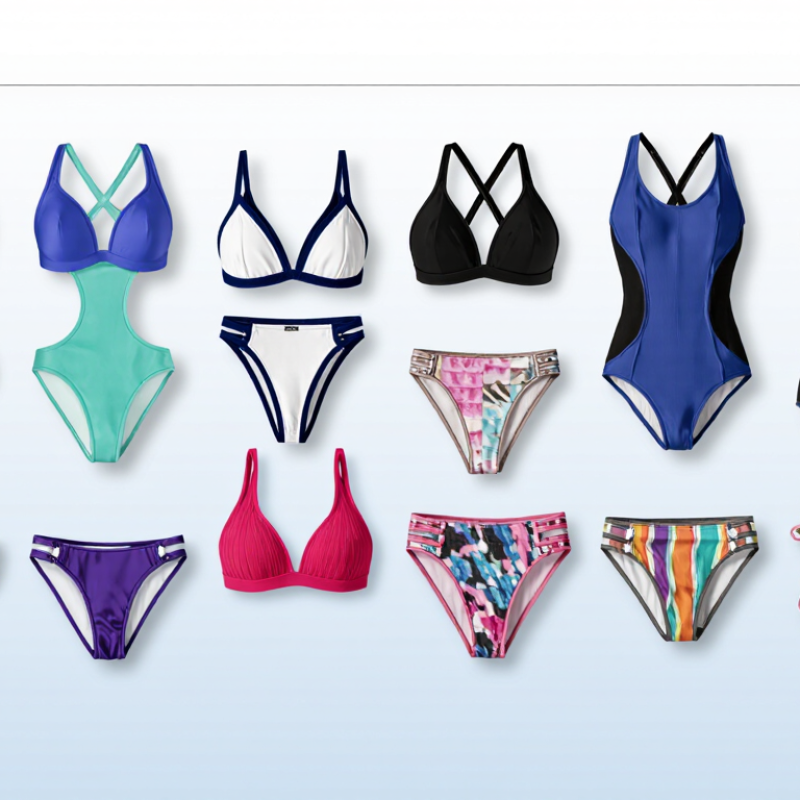
China Top 10 Swimwear Suppliers for Training or Leisure?

What Makes a Swimwear Supplier Suitable for Training or Leisure

A suitable swimwear supplier begins with intended use, not just a fabric swatch. Training suits face repeated stretching, chlorine exposure, and long sessions in wet conditions. Ask for fabric specifications, seam details, and sample-testing information. Flatlock seams can reduce rubbing, while resilient elastane helps a suit retain its shape. Request samples in several sizes; one sample cannot confirm consistent grading.

Leisure swimwear has different priorities. Buyers may value soft lining, clear prints, quick drying, and cuts that fit varied body shapes. Check whether the supplier can match colors across repeat orders and explain its tolerances. Fit matters. A polished sample may hide twisting straps or lining that shifts in water. Ask for wear-test feedback, not only studio photos. Clear lead times, minimum order quantities, and defect-handling procedures also help avoid surprises.

Tips: Wash and stretch samples before approval. Record fit, opacity, and seam comfort. A simple test will not represent every swimmer, but it can reveal problems early.

How to Evaluate China’s Swimwear Manufacturers and Exporters

When evaluating China’s swimwear manufacturers and exporters, look beyond catalog photos and quoted prices. Grand View Research estimated the global swimwear market at USD 21.4 billion in 2023, with projected growth through 2030. That signals opportunity, not supplier reliability. Ask for a factory profile, export experience, production capacity, minimum order quantities, and a clear breakdown of lead times. Check whether the exporter operates the factory or uses subcontractors. Details matter.

Request a pre-production sample in the intended fabric and inspect it after stretching, washing, and exposure to chlorine or saltwater. Check seam recovery, lining coverage, color transfer, and size consistency. Textile Exchange’s Materials Market Report 2024 puts global fiber production at 124 million tonnes in 2023, with polyester accounting for 57%. For recycled-content claims, ask what documents trace the material back through the supply chain. A label alone proves little.

During factory assessment, compare sample quality with bulk-production controls, including fabric inspection records and defect handling. Confirm who performs testing and request dated reports for the relevant fabric or finished garment. Clarify payment stages, packaging, inspection access, and remedies for inconsistent goods in writing. A polished sample can mislead. I would still treat a supplier questionnaire as a starting point, not proof; paperwork cannot show how carefully workers check a hurried production run.

China’s Top 10 Swimwear Suppliers for Training and Leisure

China’s top swimwear suppliers serve two different needs: repeated pool training and relaxed leisure wear. Grand View Research estimated the global swimwear market at USD 20.7 billion in 2023, with a projected 6.8% compound annual growth rate from 2024 to 2030. This signals broad demand, but market growth alone cannot confirm a supplier’s quality or capacity.

For training, ask for chlorine-resistant fabric specifications, stretch recovery results, and samples tested after repeated washes. Check flatlock seams, lining coverage, and whether sizing stays consistent across a production run. Small details count. A swimsuit that twists during a lap is a real problem. For leisure styles, review print placement, color matching, lining opacity, and how the fabric feels when wet. Request a sample in the intended fabric, not just a similar substitute.

When comparing ten suppliers, assess sample lead times, minimum order quantities, inspection procedures, and communication about defects. Ask for test reports and clarify which tests apply to the finished garment. A low quote may exclude useful checks. That trade-off deserves a second look. I would also compare fit on several body types, not one fit model; it takes more time, but exposes grading issues earlier.

How to read this chart: UPF ratings indicate how much UV radiation a fabric blocks. The values shown are the minimum protection implied by each rating: UPF 15 blocks about 93.3%, UPF 30 about 96.7%, and UPF 50+ at least 98%. For leisure swimwear, check the garment’s tested UPF rating; coverage and fabric condition also matter.

Comparing Products, Customization, Quality, and Production Capacity

When comparing China’s swimwear suppliers, start with the intended use. Training suits need secure straps, chlorine-resistant fabric, and seams that stay flat during repeated laps. Leisure styles may prioritize prints, lining, adjustable ties, and comfort for longer wear. Ask for fabric composition and care instructions, then test a sample in water. Photos can hide a rough seam.

Customization varies widely. Some factories offer fabric colors, prints, sizing, and label options; others require larger orders for custom work. Request a written specification showing measurements, stitching, lining, and color references. A small pre-production sample can reveal fit problems before bulk manufacturing. It may add time, but skipping it can cost more.

Quality depends on repeatable checks, not polished sales images. Ask how measurements are checked, how defects are recorded, and whether production samples are retained. Capacity matters too: confirm monthly output, order lead time, and peak-season scheduling. A high stated capacity is not proof of reliable delivery. Request a realistic timeline, including fabric sourcing and inspection. I would compare suppliers using the same brief, though even that may miss issues that appear only after several washes.

China Top 10 Swimwear Suppliers for Training or Leisure? — Comparing Products, Customization, Quality, and Production Capacity
Supplier Profile Best Fit Typical Product Range Customization Options Quality Considerations Indicative Production Capacity Typical MOQ Considerations
1. Performance Swimwear Specialist Training, team orders, and regular pool use One-piece suits, jammers, briefs, training bikinis, rash guards Team colors, printed panels, logos, lining, strap and leg-cut options Ask for chlorine-resistance test information, colorfastness results, and fabric composition. Construction and fabric grade vary by specification. Medium to high; capacity depends on season, fabric availability, and order complexity. Often more flexible for stock fabrics; custom colors and prints may require higher minimums.
2. Fashion Swimwear OEM Leisure collections and private-label fashion ranges Bikinis, one-piece suits, cover-ups, beachwear, resort sets Silhouette, trims, prints, labels, packaging, and coordinated sets Review fit samples, stitching, print alignment, lining opacity, and hardware corrosion resistance. Medium to high for repeat styles; new designs require sampling and production planning. Style, color, and print choices commonly affect minimum order requirements.
3. Activewear and Swimwear Factory Brands combining swim, surf, and active categories Swim leggings, rash guards, sports tops, swim shorts, activewear Fabric blends, compression levels, seam construction, and branded trims Confirm stretch recovery, seam durability, fit grading, and suitability for prolonged water exposure. Medium; shared production lines can affect scheduling during peak periods. May be suitable for mixed-category orders, subject to fabric and color minimums.
4. Sublimation Print Swimwear Producer Custom graphics, clubs, events, and distinctive leisure designs Printed one-piece suits, bikinis, rash guards, swim shorts All-over prints, custom artwork placement, colorways, and labels Check print color consistency, artwork approval, stretch behavior, and print durability after washing. Medium; output is influenced by artwork complexity and print-line availability. Digital sampling may be possible at lower quantities; bulk print runs may require larger commitments.
5. Sustainable-Materials Swimwear Supplier Leisure and performance collections with material traceability goals Swimwear using recycled or other specified performance fabrics Fabric selection, certifications documentation, trims, labels, and packaging Request current material certificates and scope documents; verify that claims apply to the actual fabric and order. Low to medium for specialist materials; availability depends on mill stock and lead times. Specialty fabric minimums can be higher than standard-stock fabric minimums.
6. Small-Batch Sampling and Development Workshop Startups, design development, and limited collections Prototypes, small runs, selected bikini and one-piece styles Pattern adjustments, fit revisions, fabric trials, and trim development Use a documented sample approval process; confirm whether production workmanship matches approved samples. Low; best suited to development and smaller production runs. Potentially lower for simple styles, but material sourcing may still impose minimums.
7. Large-Volume Swimwear Manufacturer Established labels and repeat core styles High-volume basics, seasonal collections, and coordinated ranges Standardized color, branding, packaging, and established pattern options Agree on written specifications, inspection criteria, tolerance limits, and corrective-action procedures. High for repeat orders; line allocation and seasonal booking are important. Generally better suited to larger orders and repeat programs.
8. Children’s Swimwear Supplier Children’s leisure swimwear and family collections Children’s one-piece suits, swim trunks, rash guards, coordinated sets Size ranges, prints, sun-protective styles, labels, and packaging Check age grading, seam comfort, colorfastness, and applicable safety and labeling requirements for the destination market. Low to high depending on the factory’s product focus and order mix. Size and color assortment planning can affect minimums and packing requirements.
9. Surf and Resort Wear Manufacturer Surf, beach, and resort-oriented leisure ranges Rash guards, boardshorts, swim shorts, cover-ups, beach separates Quick-dry fabrics, prints, pocket details, trims, and coordinated pieces Evaluate fabric performance, seam strength, drying characteristics, and trim suitability for saltwater use. Medium; product mix and technical details influence throughput. Custom fabric or trim choices may raise minimums compared with standard options.
10. Full-Service Private-Label Supplier Buyers seeking product development through finished-goods coordination Training and leisure swimwear, accessories, and selected beachwear Design support, sampling, labels, packaging, and coordinated product development Clarify which processes are in-house or subcontracted and define inspection checkpoints in writing. Variable; depends on the supplier’s own lines and partner network. Varies by style, fabric source, and whether orders combine multiple products.
How to use this comparison: These are general supplier profiles, not verified rankings or company-specific claims. Capacity and minimum order quantities vary by product, material, season, and factory. Request current quotations, samples, production schedules, test documentation, and references before placing an order.

How to Select the Right Supplier for Your Swimwear Business

Choosing a swimwear supplier starts with the product, not the catalogue. Training suits need secure stitching, chlorine-resistant fabric, and reliable shape retention after repeated use. Leisure styles may call for softer lining, varied prints, and more flexible order quantities. Ask suppliers to explain fabric composition, available sizes, and how they check finished garments. Details matter.

Request samples in the actual fabric and construction you plan to order. Check seam tension, lining coverage, strap security, and color consistency under bright light. Wash and wear the sample several times; a single fitting cannot reveal much about long-term performance. Ask how the supplier handles defects, replacement samples, and production changes. Clear answers are useful. Vague promises are not.

Compare minimum order quantities, sampling fees, production timelines, and payment terms in writing. A low quote may exclude custom labels, packaging, or extra inspection, so check what each price includes. Confirm who will manage your account and how quickly they answer technical questions. If possible, review a recent production sample before approving bulk work. Smaller suppliers can offer close communication, but capacity may tighten during peak seasons. There is no perfect checklist; I would still leave room for a cautious first order and a second look at the results.

FAQS

How should I choose a swimwear supplier for training suits?

Look for chlorine-resistant fabric, secure stitching, and shape retention after repeated wear. Ask for fabric details and test samples after washing.

What matters most in swimwear for leisure?

Check lining softness, print clarity, quick-drying fabric, and fit across different body shapes. Straps should stay put in water.

What should I inspect in a sample?

Examine seam tension, lining coverage, strap security, color consistency, and opacity. Try it on. Then wash and wear it several times.

Can one sample confirm consistent sizing?

No. Request several sizes to assess grading. A single fitting can miss problems.

What production details should I confirm in writing?

Record minimum order quantities, sampling fees, production timelines, payment terms, and defect procedures. Check what each price includes.

Why ask about repeat-order color matching?

Colors can vary between production runs. Ask about color tolerances and compare samples under bright light.

What can a polished sample fail to reveal?

It may hide twisting straps, shifting lining, or seams that rub. Ask for wear-test feedback, not just studio photos.

Should I place a large first order?

A cautious first order leaves room to review the results. Supplier capacity may tighten during peak seasons, so confirm timelines early.

Conclusion

This article explains what makes a swimwear supplier suitable for training, leisure, or both, then outlines practical ways to assess manufacturers and exporters in China. It presents ten supplier options and compares their product ranges, customization capabilities, quality standards, and production capacity. Rather than treating every supplier as interchangeable, the guide encourages buyers to consider how materials, construction, order requirements, and intended use affect the suitability of each option.

The article also offers a structured approach to choosing a supplier for a swimwear business, from clarifying product needs to evaluating samples, communication, and manufacturing capabilities. By understanding how to select swimwear for training vs leisure, buyers can better match their designs and purchasing priorities with a supplier’s strengths and make a more informed sourcing decision.

Charlotte

Charlotte

Charlotte is a seasoned marketing professional with a deep understanding of the company's portfolio and a passion for elevating its presence in the market. With a keen eye for detail and a commitment to excellence, she ensures that our professional blog is regularly updated with insightful articles......