Choosing among China’s top 10 padded and down jackets is not simply a matter of warmth or price. The better choice depends on insulation, weather, activity, and personal comfort. A jacket that feels excellent in a Beijing winter may feel bulky in wet Shanghai weather. That difference matters.
Many shoppers ask, “what is the difference between padded and down jackets?” Down jackets use natural feathers and down, usually offering strong warmth with low weight. Padded jackets generally use synthetic insulation, which often performs better when damp and dries more easily. However, materials vary widely. A premium padded jacket can outperform poorly filled down. Check the fill power, insulation weight, shell fabric, stitching, cuffs, hood, and zipper quality. These details affect warmth during real use, not just product photography.
This comparison examines ten popular options through practical features and available product information. It considers warmth, water resistance, breathability, packability, durability, and maintenance. A jacket tested during a cold commute may behave differently during hiking or extended outdoor work. That limitation should remain clear. No single ranking fits every buyer. Personal sizing also changes performance; loose cuffs can let cold air enter quickly. Look for transparent material labels, consistent measurements, and dependable after-sales support. Small details matter.
The final choice should balance climate, budget, washing habits, and expected use. Down can feel wonderfully light. Synthetic filling can offer greater confidence in unsettled weather. Neither option wins everywhere. Purpose decides.
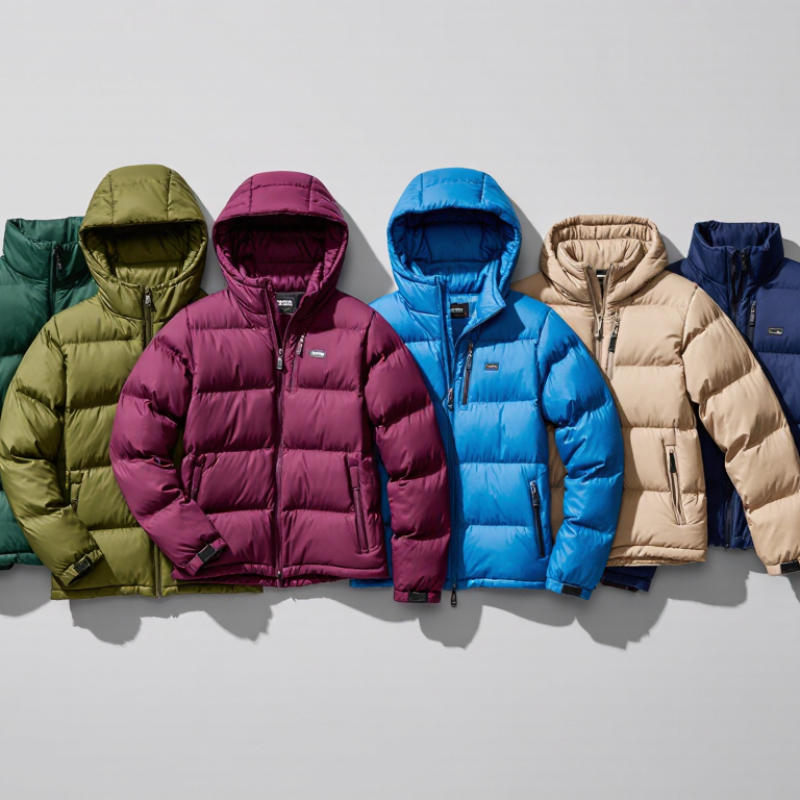
Padded and down jackets both trap warm air, but they use different insulation materials. A padded jacket usually contains synthetic fibers, often polyester, stitched into chambers beneath a water-resistant shell. These fibers keep some loft after light rain and dry relatively quickly. Down jackets use the soft underfeathers from ducks or geese. Their three-dimensional clusters create excellent warmth with less weight. Fill power describes how much space a given weight of down occupies. Higher numbers usually indicate greater loft, not automatic durability. Construction matters too. Narrow baffles reduce cold spots, while larger chambers can hold more insulation but may leak warmth at seams. The label is only part of the story.
In damp coastal weather, synthetic padding is often the safer practical choice because wet fibers retain more insulation than soaked down. Down can outperform it in dry, cold conditions, especially when pack weight matters. However, neither jacket is universally better. A thin padded coat may feel colder than a well-filled down jacket. A thick synthetic coat can handle messy commutes and repeated washing more calmly. Check the shell fabric, stitching, cuffs, hood, and washing instructions before judging warmth. Fit matters. A loose hem lets heat escape, but excessive tightness compresses insulation. Not always. I have found this comparison less perfect than product charts suggest. Movement, humidity, and layering can change comfort within minutes.
Padded jackets usually use synthetic fibers inside stitched chambers. Down jackets use soft underfeathers from ducks or geese. Both trap warm air. Their performance differs in wet and dry weather.
Synthetic padding is usually more practical in light rain. Its fibers retain some insulation when wet. They also dry relatively quickly. Soaked down can lose loft for hours.
Down often offers more warmth with less bulk. Its three-dimensional clusters trap air efficiently. This helps during hiking or cold travel. Higher fill power usually means more loft, not automatic durability.
Synthetic jackets often handle repeated washing and minor moisture better. They suit cycling, school travel, and messy commutes. Down needs careful cleaning and complete drying. Rough use may expose its weaknesses.
Narrow baffles can reduce cold spots. Large chambers may hold more insulation but leak warmth at seams. Check the stitching around the shoulders and waist. The label is not the whole story.
A loose hem can let warm air escape. Excessive tightness compresses the insulation. Choose enough room for a thin layer underneath. Fit changes everything.
Synthetic jackets often cost less and require simpler care. Down may justify its price when low weight matters. Consider washing, storage, and likely weather. Purchase price alone can mislead.
Store down loosely, not compressed inside a small bag for months. Wash it according to the care label. Dry it thoroughly before storage. I once stored one compressed too long, and its loft returned slowly.
No jacket wins in every situation. Humidity, movement, layering, and fit change comfort quickly. Product charts can oversimplify this choice. My comparison is useful, but not perfect.
This guide compares China’s top 10 padded and down jackets by examining their construction, insulation, and practical performance. It explains what is the difference between padded and down jackets: padded jackets generally use synthetic filling, while down jackets rely on natural feather insulation. The comparison considers how each material affects warmth, weight, breathability, drying speed, and comfort in different conditions.
Readers will also learn how durability, maintenance, and overall value can influence a purchasing decision. Down jackets may provide excellent warmth with less weight, while padded jackets often offer reliable moisture resistance, easier care, and consistent performance in damp weather. The best choice depends on the intended activity and climate, from everyday commuting and travel to hiking or winter sports. By balancing insulation, comfort, weather protection, longevity, and budget, shoppers can select the jacket that most effectively matches their personal needs.

 Lifted Clothe