When considering winter wear, many people wonder, what is the difference between padded and down jackets? Both types offer warmth and protection, but their construction and materials set them apart. Padded jackets use synthetic insulation that is lightweight yet effective. They often repel water and are more affordable. This makes them a popular choice for everyday wear.
Down jackets, on the other hand, utilize the soft feathers of ducks or geese. They are known for their incredible warmth-to-weight ratio. However, they may not perform well in wet conditions. While down jackets tend to be pricier, many users swear by their comfort and insulation.
Choosing between these two options involves personal preferences and lifestyle needs. We will explore the advantages and disadvantages of each type. By understanding their differences, you can select the right jacket for your winter adventures.
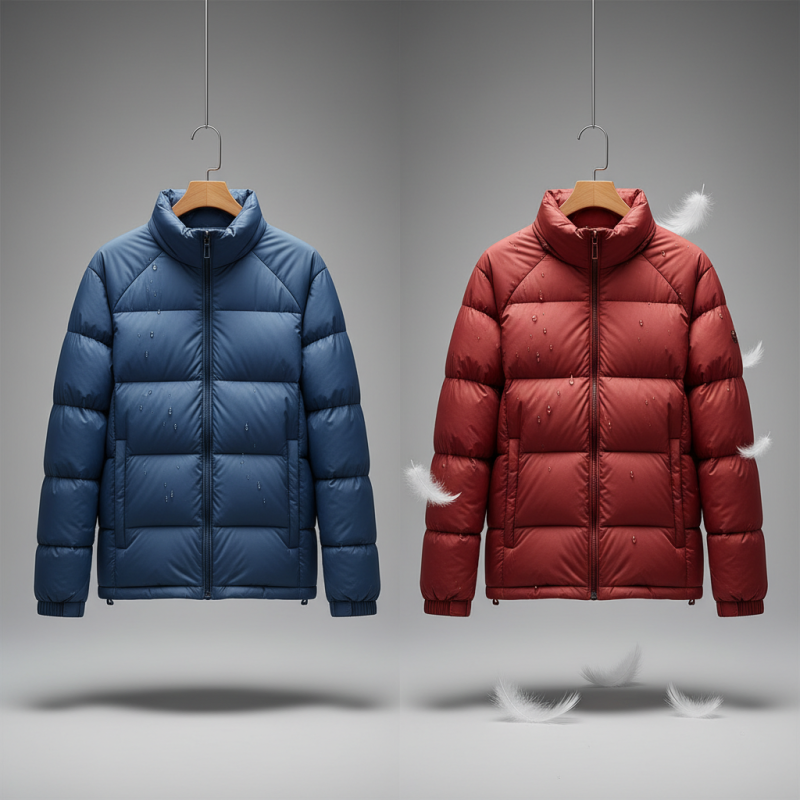
Padded jackets are a unique blend of materials designed for warmth and comfort. Typically, they use synthetic fibers, which trap heat effectively. This construction allows for lightweight options compared to traditional down jackets. A study by the Outdoor Industry Association highlighted that nearly 70% of outdoor enthusiasts prefer jackets made from synthetic insulation for added durability.
While padded jackets provide excellent insulation, they may lack the breathability found in down jackets. This can be a concern during high-energy activities. Additionally, the longevity of synthetic materials varies widely. Some can compress and lose insulating properties over time. According to the Fabric Care Institute, the proper care of these materials significantly influences their lifespan and performance.
Understanding the construction of padded jackets is essential. Each layer works together to create a barrier against cold. Manufacturers often focus on ensuring water resistance and tear strength. Despite advancements, it's vital to note that not all padded jackets offer the same performance level. Wearers should assess insulation quality and construction methods before purchasing.
When it comes to down jackets, understanding the fill is essential. Duck and goose down are the two main types of fill used in these jackets. Down from ducks is often more affordable and slightly heavier than goose down. On the other hand, goose down is recognized for its superior insulation and light weight. This makes it a preferred choice for extreme cold conditions.
Not all down is created equal. The fill power of down, which measures its fluffiness, plays a significant role in warmth. Higher fill power means better insulation with less weight. However, more expensive down options can feel out of reach for many. Consumers often struggle with the choice: is warmth worth the price?
While down jackets provide incredible warmth, they are not without flaws. Sourcing ethical down is a concern for many buyers. Conversations about animal welfare often arise when discussing down fill. Moreover, down can lose its insulating properties when wet. Users should consider these factors when selecting a jacket. The decision can feel overwhelming, yet informed choices lead to better experiences.
When choosing between padded and down jackets, insulation performance is key. Padded jackets often feature synthetic materials. These materials provide decent warmth while resisting moisture. They perform well in wet conditions and dry quickly.
Down jackets, on the other hand, use natural feathers. They are lightweight and offer superior insulation. However, down loses its effectiveness when wet.
In very cold environments, down excels in warmth-to-weight ratio. A well-constructed down jacket traps air efficiently. Yet, in humid weather, its lack of water resistance can be a drawback.
Synthetic padding can maintain warmth even in damp conditions. This is crucial for those who might encounter unexpected rain or snow.
Consider your activities when deciding. Is it a dry, cold climate? A down jacket shines there. If wet weather is a factor, a padded option may be better. Each type has strengths and weaknesses. Personal experience with these jackets varies widely. It’s essential to reflect on what aligns with your needs.
When considering weight and packability, padded and down jackets differ significantly. Down jackets are known for their exceptional warmth-to-weight ratio. They can weigh as little as 300 grams for a mid-range option. Padded jackets, on the other hand, often utilize synthetic fill, making them heavier. Reports indicate that synthetic jackets can weigh around 500 grams. This added weight might be a drawback for long treks.
Packability is crucial for outdoor enthusiasts. Down jackets compress easily and can fit into the smallest bags. In contrast, padded jackets tend to take up more space. A study revealed that down jackets can pack down to the size of a water bottle, whereas most padded options take up at least twice that volume. This difference is essential for hikers who value space.
Tips: When choosing a jacket, consider your activity. For backpacking, down might be preferable due to its lightweight nature. For wet conditions, consider the durability of synthetic fill, even if it means sacrificing packability. Remember that a heavier jacket may limit mobility, so balance warmth with flexibility.
Maintaining the integrity of your padded and down jackets is vital for longevity. According to a study by the Outdoor Industry Association, proper care can extend the lifespan of jackets by 30%. Regular cleaning is essential. Use specialized detergents designed for down materials. Using regular laundry detergents can strip down insulation and diminish warmth. Cold wash cycles help protect the fabric's integrity.
Drying is equally important. When drying down jackets, include dryer balls to fluff the insulation. This prevents clumping and ensures that the jacket retains its thermal efficiency. Industry reports suggest that improper drying can significantly reduce the insulation capacity, possibly by up to 50%.
Storage deserves attention, too. Avoid compacting jackets for long periods. Instead, storage in a breathable bag is advisable. This prevents moisture buildup and mold growth, a concern highlighted in many textile research articles. Inadequate care can lead to wear and tear. Reflect on how often your jackets are cleaned and stored. Are they receiving the care they deserve?
: Down jackets are lighter, weighing around 300 grams. Padded jackets can weigh about 500 grams.
Down jackets compress well, fitting into small bags. Padded jackets occupy double the space.
Hikers need lightweight gear to save space. This is crucial for long treks and backpacking.
Regular cleaning with specialized detergents is vital. It can increase their lifespan by up to 30%.
Regular detergents can harm insulation. Always use special detergents to protect warmth.
Use dryer balls when drying. They prevent clumping and maintain thermal efficiency.
Store in a breathable bag, avoiding tight compression. This helps prevent moisture buildup.
Inadequate care can lead to significant wear and tear. Reflect on your cleaning habits.
Heavier jackets can limit movement. Balance warmth and flexibility when choosing a jacket.
Assess the damage and consider both repair and replacement options. Regular reflection can guide your choices.
When exploring what is the difference between padded and down jackets, it’s essential to understand their materials and construction. Padded jackets typically utilize synthetic insulation, which offers durability and water resistance, while down jackets are filled with the soft, insulating plumage of ducks or geese, providing excellent warmth-to-weight ratios.
In terms of performance, down jackets generally offer superior insulation, making them ideal for extreme cold; however, padded jackets might perform better in wet conditions due to their synthetic fills. Additionally, weight and packability play a role in choosing between the two, with down jackets often being lighter and more compressible. Lastly, care and maintenance differ: down jackets require more careful washing and drying to maintain loft, while padded jackets are usually easier to clean. Overall, understanding these aspects can help consumers make an informed choice based on their specific needs.

Lifted Clothe