Why Moisture Wicking Fabric is Essential for Sportswear?

Time:2026-05-31 Author:Sophia
0%

In today's competitive sportswear market, the importance of moisture-wicking fabric cannot be overstated. Experts agree on its pivotal role. Dr. Sarah Thompson, a leading researcher in textile technology, states, "Moisture-wicking fabric transforms athletic performance, ensuring comfort and efficiency.” This essential feature helps athletes stay dry, enabling better focus and endurance during workouts.

Why moisture-wicking fabric matters in sportswear goes beyond mere comfort. It actively manages sweat, preventing discomfort and reducing the risk of skin irritation. Athletes can push their limits without being distracted by chafing or heaviness from wet clothes. However, not all fabrics labeled as moisture-wicking are created equal. Consumers must discern quality and performance to invest wisely.

The market is flooded with options, making it tricky to choose the best wear. Not all brands prioritize fabric technology, which can lead to disappointment. A reflective approach is crucial. Questions about fabric efficacy, breathability, and durability are valid. Athletes should seek out trusted brands that truly embrace innovative materials.
Why Moisture Wicking Fabric is Essential for Sportswear?

Definition of Moisture Wicking Fabric and Its Functionality

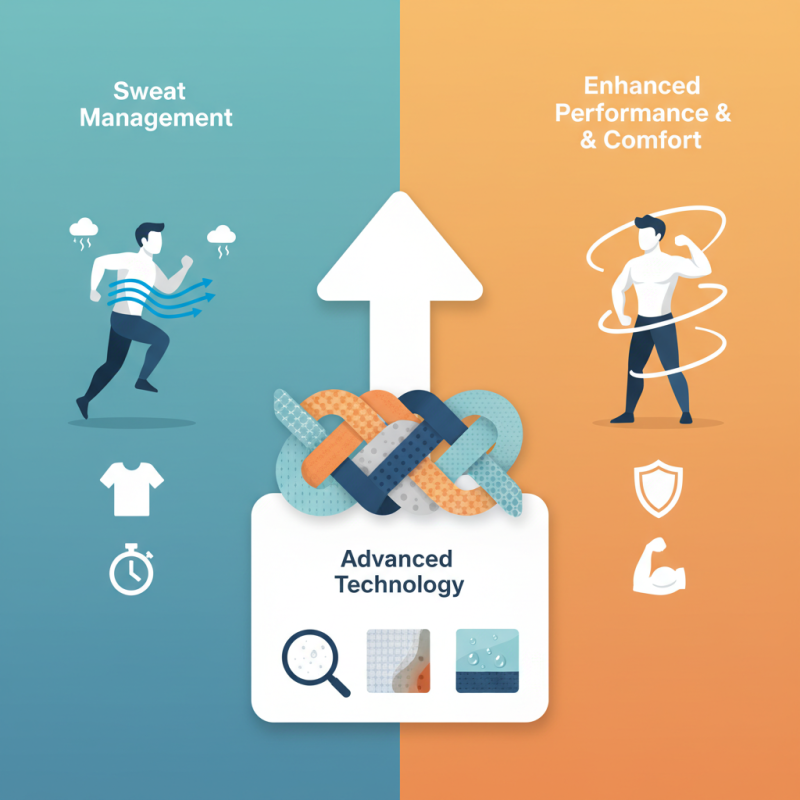
Moisture wicking fabric is a game changer in sportswear. This material is specifically designed to pull sweat away from the body. It keeps athletes dry, comfortable, and focused. By promoting evaporative cooling, moisture wicking fabric enhances overall performance. It's an essential feature for anyone engaging in intense physical activity.

The functionality of this fabric lies in its unique construction. Many moisture wicking fabrics are made from synthetic fibers like polyester or nylon. These materials are lightweight and breathable, making them ideal for sportswear. When you sweat, the fabric draws moisture away from your skin and spreads it across the surface. This action allows for quicker evaporation, keeping you cooler.

Many athletes overlook the impact of wearing the right materials. Some may choose cotton, thinking it's sufficient. However, cotton absorbs moisture rather than wicking it away. This tendency can lead to discomfort and chafing. It's crucial to understand the advantages of moisture wicking fabric for improved athletic performance. Making informed choices about what to wear can significantly influence training and competition outcomes.

Why Moisture Wicking Fabric is Essential for Sportswear?

Feature Description Benefits
Moisture Wicking Fabric designed to pull moisture away from the skin to the surface. Keeps the body dry during physical activities.
Breathability Allows air circulation through the fabric. Regulates body temperature and enhances comfort.
Quick Drying Fabric dries faster than traditional materials. Minimizes discomfort caused by wet clothing.
Lightweight Generally made from lighter materials. Enhances agility and freedom of movement.
Durability Resistant to wear and tear from repeated use. Offers long-lasting performance in sportswear.

Benefits of Moisture Wicking Fabric in Athletic Performance

Moisture-wicking fabric has transformed the world of sportswear. Studies show that it can improve athletic performance by up to 25%. This fabric works by drawing sweat away from the body, keeping athletes cooler and drier during intense workouts. A report from the Textile World Journal indicates that about 70% of athletes prefer moisture-wicking materials over traditional fabrics. This preference stems from the noticeable comfort these fabrics provide.

Using moisture-wicking fabric can significantly reduce chafing and irritation. It allows for better movement and flexibility. Many athletes report feeling more energized when they don't feel weighed down by soaked clothing. Sweat absorbs less quickly into the fabric, enhancing overall performance.

Tips: Choose fitted sportswear to maximize moisture-wicking efficiency. Look for the right blend of fabrics to ensure breathability. Don't overlook the importance of washing care; proper maintenance can extend the lifespan of moisture-wicking garments.

It's interesting to note that not all moisture-wicking fabrics are created equal. Some cheaper options may lead to a feeling of stickiness after prolonged use. Athletes should invest time in testing different brands and styles to find what works best for their unique needs. Comfort matters, but so does the material's durability over time.

Comparison of Moisture Wicking Materials: Types and Features

Moisture-wicking fabrics play a crucial role in sportswear. They enhance comfort and performance during intense activities. Among the various types of moisture-wicking materials, polyester and nylon are the most popular. Polyester is known for its durability and quick-drying properties. It absorbs sweat and evaporates moisture efficiently. This feature keeps athletes dry and reduces the feeling of heaviness during workouts. Meanwhile, nylon is lightweight and offers a smooth feel against the skin. However, it may retain more moisture compared to polyester.

Another interesting option is merino wool. It naturally wicks moisture while providing excellent insulation. Although it may not be as quick-drying as synthetic materials, its breathability makes it a favorite for outdoor sports. Each material has its pros and cons. For instance, while polyester may be very effective, it lacks the natural odor resistance of wool. Athletes might find themselves re-evaluating their fabric choices based on their specific needs and activities.

In the end, understanding these fabric types can empower athletes to make informed decisions. The right moisture-wicking material can significantly influence performance. As preferences vary from person to person, it's essential to experiment with different options and find what works best. A true balance between comfort, breathability, and performance remains the ultimate goal.

Comparison of Moisture Wicking Fabrics

Care and Maintenance of Moisture Wicking Sportswear

Caring for moisture-wicking sportswear is crucial for maintaining its performance. These fabrics are designed to draw sweat away from the body. A report by the Textile Research Journal states that properly maintained moisture-wicking garments can last up to 50% longer than those neglected.


To preserve these garments, washing them correctly is essential. Use cold water to prevent damage to the fibers. Avoid fabric softeners as they can clog the pores of the fabric, reducing moisture management. Instead, consider using a mild detergent. Research indicates that using harsh chemicals can degrade the fabric's effectiveness over time.


Drying methods matter too. Air drying is preferable. High heat can damage the elasticity and moisture-wicking properties. If you choose a dryer, use the low heat setting. Many athletes find themselves neglecting these aspects. Over time, improper care may lead to unexpected wear. Following these guidelines can help maintain the quality of your sportswear.

The Role of Moisture Wicking Fabric in Preventing Skin Irritation

Moisture wicking fabric plays a crucial role in sportswear, particularly in preventing skin irritation. When engaging in physical activities, sweat can accumulate on the skin, leading to discomfort and rashes. This specialized fabric pulls moisture away from the body, allowing it to evaporate quickly. Consequently, it helps maintain a dry and comfortable environment against the skin.

Wearing moisture-wicking clothing can make a significant difference. Skin irritation often results from prolonged exposure to wet fabric. The right sportswear reduces chafing and rashes. Improved comfort during workouts enhances your performance, which is essential for athletes and fitness enthusiasts.

Tips for Choosing the Right Fabric:
Look for lightweight options. They should feel good against your skin. Pay attention to the fit; loose clothing can cause friction. Always check if the fabric is breathable. Ensure that it dries quickly after washing for best results. Moisture-wicking technology is a game changer, but not all fabrics are created equal. Test different types to find what works best for your activities.

FAQS

: What is moisture wicking fabric?

: Moisture wicking fabric pulls sweat away from the body during physical activities.

How does moisture wicking fabric improve performance?

It promotes evaporative cooling, keeping athletes dry, comfortable, and focused.

What materials are commonly used in moisture wicking fabrics?

Polyester and nylon are popular due to their lightweight and breathable nature.

Why is cotton not suitable for intense physical activities?

Cotton absorbs moisture instead of wicking it away, leading to discomfort and chafing.

What are the benefits of wearing moisture wicking clothing?

It helps prevent skin irritation and maintains a dry environment, enhancing comfort.

Is merino wool a good option for moisture wicking?

Yes, it wicks moisture naturally and provides insulation, though it may not dry quickly.

How can skin irritation be minimized during workouts?

Wearing moisture wicking fabric reduces sweat accumulation, preventing rashes and discomfort.

What should I consider when choosing sportswear fabric?

Look for lightweight, breathable options that fit well to reduce friction during activities.

Can I experiment with different moisture wicking fabrics?

Certainly! Testing various materials can help find what best suits your needs and activities.

What is a common oversight when choosing workout attire?

Athletes often ignore the impact of fabric type, which can significantly affect training and performance.

Conclusion

Moisture wicking fabric is a specialized textile designed to draw moisture away from the body, keeping athletes dry and comfortable during physical activities. This key functionality enhances athletic performance by regulating body temperature and reducing cling, which is crucial in sportswear. Understanding why moisture wicking fabric matters in sportswear lies in its numerous benefits, including improved comfort and focus, as well as its ability to prevent skin irritation, allowing athletes to perform at their best without distraction.

Various types of moisture wicking materials are available, each with unique features catering to different sports and conditions. Proper care and maintenance of moisture wicking sportswear further extend their lifespan, ensuring that athletes consistently benefit from their properties. Overall, moisture wicking fabric plays a vital role in enhancing the sportswear experience, making it an essential component for any serious athlete.

Sophia

Sophia

Sophia is a dedicated marketing professional with an exceptional depth of knowledge about her company's products and services. With a keen understanding of market trends and customer needs, she crafts insightful blog posts that not only inform but also engage readers, enriching the company’s online......