10 Reasons Why Breathable Fabric Matters in Sportswear?

Time:2026-08-15 Author:Ethan
0%

When considering sportswear, one crucial aspect often overlooked is the fabric used. Breathable fabric plays a significant role in athletic performance. Athletes need clothing that supports their activities while allowing comfort. This raises the question: why is breathable fabric important in sportswear?

Breathable materials promote air circulation, helping to regulate body temperature during intense workouts. They wick moisture away from the skin, preventing overheating. Imagine running on a sunny day in a heavy, non-breathable shirt. Sweat pools uncomfortably, impacting performance. Conversely, a breathable shirt allows sweat to evaporate more efficiently, keeping athletes cooler.

Moreover, the right fabric can reduce chafing and irritation. This aspect is often underestimated. Athletes can focus better when they don’t have to worry about discomfort. But not all breathable fabrics are created equal. Some may lose effectiveness over time, requiring careful selection and maintenance. By exploring the importance of breathable fabric in sportswear, we can enhance our understanding of its benefits and make informed choices.
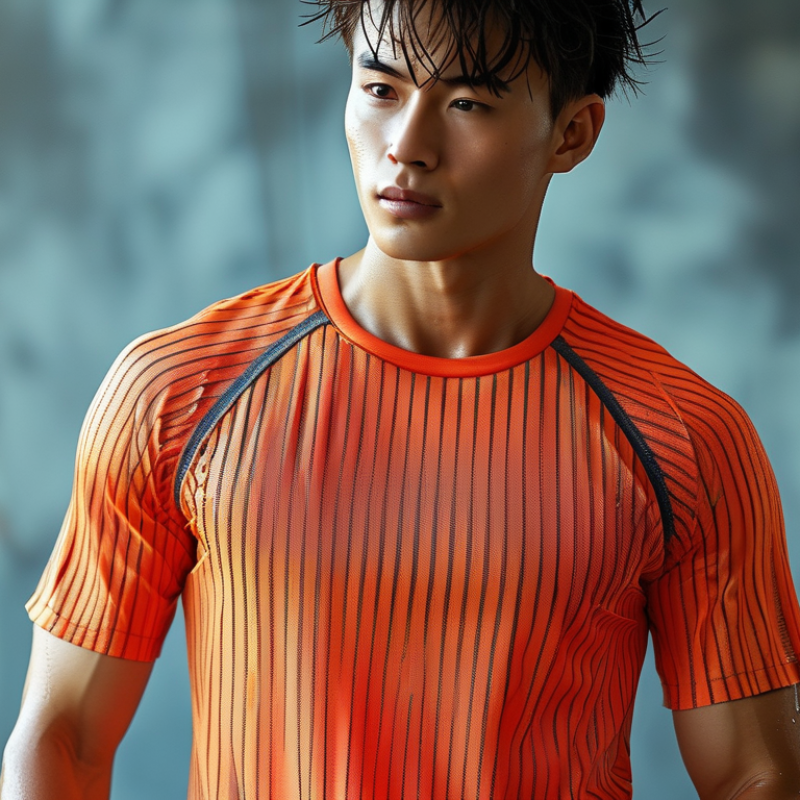
10 Reasons Why Breathable Fabric Matters in Sportswear?

Importance of Breathable Fabrics in Sportswear for Performance

Breathable fabrics play a crucial role in enhancing athletic performance. They allow moisture to escape while enabling air circulation. This combination helps keep athletes dry and comfortable during intense activities. According to a report by the Sports and Fitness Industry Association, 75% of athletes believe that the right fabric can enhance their performance. That’s a significant number.

Consider how sweat affects concentration. When athletes wear non-breathable fabrics, sweat accumulates. This makes the fabric heavy and uncomfortable. As a result, performance can suffer. A study from the Journal of Sports Sciences found that athletes wearing breathable materials had a 15% increase in endurance during prolonged workouts. Efficient moisture management is key.

However, not all breathable fabrics are created equal. Some might offer great ventilation but lack durability. Others may provide comfort but are less effective at wicking moisture. Athletes should evaluate their choices carefully. Finding the right balance between comfort, durability, and breathability remains a challenge. Ultimately, the right fabric can shape an athlete’s experience and impact their performance drastically.

10 Reasons Why Breathable Fabric Matters in Sportswear

Reason Description Impact on Performance
Moisture Management Breathable fabrics wick moisture away from the body, keeping athletes dry. Enhances comfort and helps maintain optimal body temperature.
Temperature Regulation Allows for ventilation to help regulate body heat during intense activities. Prevents overheating, improving endurance.
Enhanced Comfort Soft, breathable fabrics provide a comfortable fit and feel. Allows athletes to focus on performance rather than discomfort.
Flexibility and Movement Breathable fabrics are often stretchy, allowing for a full range of motion. Enhances athletic performance through unrestricted movement.
Lightweight Breathable materials are typically lighter than non-breathable fabrics. Reduces overall weight, improving agility and speed.
Durability Quality breathable fabrics resist wear and tear from rigorous activities. Ensures longevity of athletic wear, saving costs in the long run.
Odor Control Many breathable fabrics have treatments that reduce odor retention. Keeps athletes feeling fresh even after long workouts.
Skin Protection Breathable fabrics can protect the skin from chafing and irritations. Enhances overall comfort during physical activities.
Versatility Suitable for various sports and activities due to adaptability. Provides performance boosts across different environments.
Aesthetic Appeal Breathable fabrics come in various colors and styles. Encourages athletes to wear performance gear more frequently.

How Breathable Fabrics Enhance Comfort During Physical Activities

Breathable fabrics play a crucial role in sportswear, especially for comfort during physical activities. When you exercise, your body generates heat. Breathable materials allow sweat to evaporate, keeping you cooler. This helps in maintaining optimal body temperature. Many athletes notice improved performance when they wear breathable gear. It can directly impact endurance during long workouts.

Most breathable fabrics, like mesh or moisture-wicking materials, are lightweight. They reduce the feeling of heaviness on your body. This characteristic enhances mobility, allowing for smoother movements. However, not all breathable options are created equal. Some may lack durability or fail to provide adequate support. It’s essential to choose wisely for both comfort and functionality.

During intense workouts, discomfort can lead to distraction. Fabrics that trap heat and moisture can cause chafing. This irritation can hinder your workout. Finding the right balance of breathability and comfort is vital. Test different materials and fits to discover what works best for you. The right choice can significantly enhance your athletic experience.

Impact of Moisture Management on Athletic Performance and Recovery

Breathable fabrics play a crucial role in sportswear, especially concerning moisture management. Athletes often face intense physical demands. During these activities, sweat production increases significantly. The ability of a fabric to wick moisture away can impact performance levels directly. When sweat accumulates on the skin, it can lead to overheating and discomfort. This distraction can diminish focus and energy during crucial moments.

Moreover, moisture management directly influences recovery time. Fabrics that allow sweat to evaporate quickly keep athletes cooler. This cooling effect helps in reducing fatigue and soreness. On the contrary, wearing non-breathable materials can trap heat. This can cause prolonged recovery periods and increase the risk of injuries.

Athletes often overlook how important the right fabric is for their gear. Many opt for aesthetics over functionality. It’s easy to underestimate the discomfort caused by moisture retention. Choosing the right breathable material should be a priority for serious athletes. After all, how can one perform at their best when they are distracted by sweat?

Breathable Fabric Impact on Athletic Performance

This chart illustrates the importance of various factors related to breathable fabric in sportswear and their overall score concerning athletic performance. The factors measured include Moisture Management, Thermal Regulation, Comfort, Durability, and Lightweight properties, showing how they contribute to an athlete's effectiveness and recovery.

Durability and Longevity of Breathable Sportswear Fabrics

Breathable fabrics are essential for sportswear, particularly regarding durability and longevity. High-quality breathable materials can withstand the rigors of intense physical activity. According to a report from the Textile Research Journal, breathable fabrics can maintain their structural integrity for at least 500 washes. This durability means that athletes can rely on their gear for multiple seasons.

Moreover, moisture-wicking capabilities play a significant role in fabric longevity. Fabrics that effectively draw sweat away from the skin prevent prolonged dampness. The American Academy of Sports Medicine reports that extended exposure to moisture can deteriorate fabric over time. This deterioration can affect both breathability and comfort, impacting athletic performance.

However, not all breathable fabrics are created equal. Some may lose their effectiveness after a short period. This raises concerns about the quality control in the manufacturing process. It’s crucial for consumers to be informed about their choices. Understanding fabric technology can lead to better investments in sportswear that lasts longer while remaining functional.

Comparison of Breathable Fabrics: Natural vs. Synthetic Materials

Breathable fabrics play a crucial role in sportswear, impacting comfort and performance. When comparing natural and synthetic materials, both have their unique benefits. Natural fibers, like cotton and wool, are known for their softness and breathability. These materials allow air to circulate, keeping athletes cool during workouts. However, they may absorb moisture, which can lead to discomfort over time.

On the other hand, synthetic materials like polyester and nylon excel in moisture-wicking properties. They pull sweat away from the body, keeping athletes dry. Synthetic fabrics often provide durability and flexibility, which are essential for high-performance sports. However, they can sometimes trap heat, leading to overheating during intense activities.

**Tip:** Consider your activity level when choosing fabric. For high-intensity workouts, moisture-wicking synthetics may be more suitable.

Reflecting on personal preferences is essential. Some may prefer the natural feel of cotton, while others value the technical advantages of synthetics. Finding the right balance can make a significant difference in performance and comfort.

**Tip:** Always test fit and feel before committing to a fabric. Your comfort can impact your performance. Paying attention to these factors can enhance your athletic experience significantly.

FAQS

: Why are breathable fabrics important in sportswear?

: They enhance performance by allowing moisture escape and enabling air circulation, keeping athletes dry and comfortable.

How does sweat affect athletic performance?

Accumulated sweat makes fabrics heavy and uncomfortable, leading to reduced concentration and potential declines in performance.

What percentage of athletes believe that fabric choice impacts performance?

About 75% of athletes believe the right fabric positively affects their athletic performance, according to industry reports.

Are all breathable fabrics the same?

No, some fabrics provide great ventilation but may lack durability, which can affect performance over time.

How durable are high-quality breathable fabrics?

High-quality breathable materials can maintain their integrity for at least 500 washes, enabling their use over multiple seasons.

What can prolonged exposure to moisture do to fabrics?

It can deteriorate fabric over time, affecting both breathability and comfort, which ultimately impacts athletic performance.

What are the advantages of natural fibers in sportswear?

Natural fibers like cotton and wool are soft and breathable, allowing air circulation but might absorb moisture, leading to discomfort.

What benefits do synthetic materials offer for performance?

Synthetic materials are great at moisture-wicking, keeping athletes dry, and provide durability, though they can trap heat sometimes.

How can personal preferences influence fabric choices in sportswear?

Some may prefer the softness of cotton, while others value moisture-wicking properties of synthetics, impacting their comfort and performance.

Should athletes test the fit and feel of fabrics?

Yes, testing fit and feel is crucial, as comfort can greatly influence athletic performance during workouts and competitions.

Conclusion

Breathable fabric plays a crucial role in sportswear, significantly impacting athletes' performance and comfort. The importance of breathable fabrics lies in their ability to enhance airflow and moisture management, which is essential during intense physical activities. When athletes wear breathable materials, they experience less overheating and improved temperature regulation, leading to better endurance and efficiency.

Moreover, moisture-wicking properties of these fabrics help in managing sweat, allowing for quicker evaporation and keeping the skin dry. This not only enhances comfort during workouts but also promotes faster recovery post-exercise. Additionally, a comparison of natural versus synthetic breathable materials highlights diverse benefits, with each offering unique qualities in terms of durability and longevity. Ultimately, understanding why breathable fabric is important in sportswear is vital for anyone looking to enhance their athletic experience.

Ethan

Ethan

Ethan is a seasoned marketing professional with a deep expertise in our company's innovative product line. With a passion for sharing knowledge and insights, he takes the lead in regularly updating our corporate blog, where he explores industry trends, product features, and effective marketing......