In the competitive world of performance clothing, fit holds paramount significance. When exploring "why fit matters in performance clothing," buyers must consider various factors beyond aesthetics. The right fit can enhance comfort, improve performance, and boost confidence during physical activities.
For athletes and fitness enthusiasts, ill-fitting attire can lead to distractions and decreased efficiency. Imagine trying to run in a shirt that rides up or pants that restrict movement. Such experiences can hinder performance and create frustration. Reliable brands prioritize fit to accommodate diverse body shapes. They acknowledge that comfort goes hand in hand with functionality.
Moreover, a proper fit enables sportswear to perform as intended. It affects moisture-wicking properties, breathability, and flexibility. While it's tempting to focus solely on style, customers should reflect on how fit influences their overall experience. In the end, investing in well-fitted performance clothing is about empowering oneself to reach new heights.
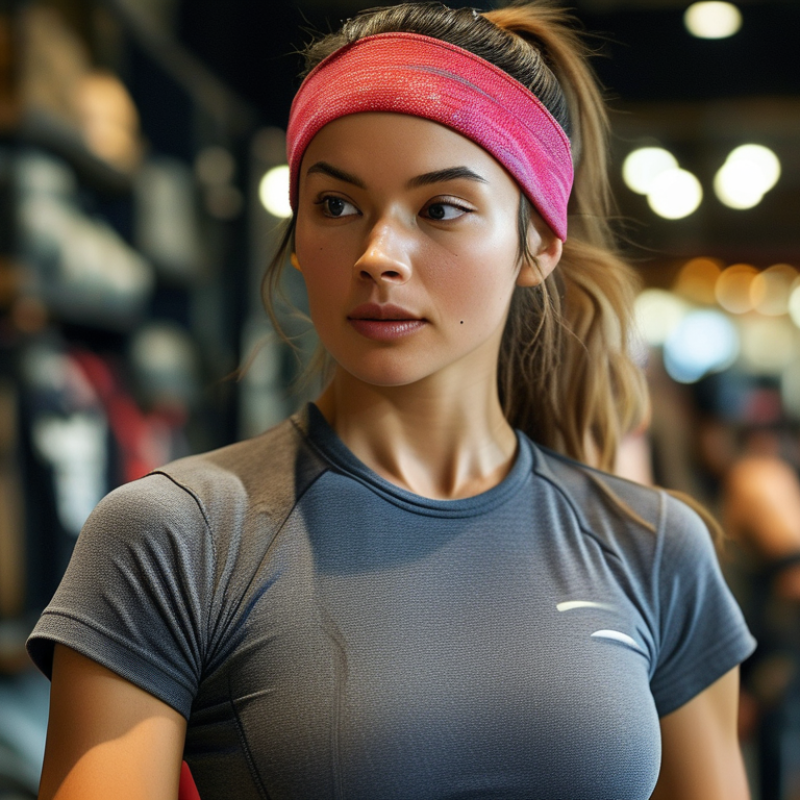
Fit plays a crucial role in the effectiveness of performance clothing. When clothing fits well, it enhances comfort during workouts. Tight clothing can restrict movement, while loose garments may cause distractions. Athletes need freedom of movement to perform at their best. Proper fit aids in optimizing this movement.
Consider how different activities require specific fits. For runners, a snug fit can prevent chafing. Flexibility is vital for cyclists. Their clothing should allow for a full range of motion. Each sport dictates distinct fit requirements. Manufacturers often face challenges creating a universal fit for diverse body types worldwide. This creates a gap that may lead to dissatisfaction among users.
Attention to fit reflects commitment to quality. Poorly fitting clothing can negatively impact performance and motivation. Many consumers overlook these details until they feel discomfort. A good fit boosts confidence, allowing individuals to focus on their activities. Brands must prioritize fit to ensure user satisfaction and performance enhancement. Without this, athletic potential might remain untapped.
| Dimension | Description | Importance in Performance |
|---|---|---|
| Comfort | The fit of clothing affects the comfort level during physical activities. | Improves focus and endurance by minimizing distractions. |
| Mobility | Proper fit allows for a full range of motion without restrictions. | Enhances performance in dynamic sports like running or cycling. |
| Temperature Regulation | Well-fitted clothing can enhance breathability and wicking properties. | Helps maintain optimal body temperature during workouts. |
| Style | The design and fit contribute to an athlete's confidence and image. | Boosts motivation and engagement in physical activities. |
| Safety | A fit that is too loose or too tight can lead to accidents or injuries. | Minimizes the risk during high-intensity activities. |
: Fit is crucial; about 70% of consumers prioritize it. It affects comfort and performance significantly.
Different cultures have unique expectations. Some prefer loose garments, while others favor tailored styles.
The right fabric enhances fit perception. Moisture-wicking and stretchy materials improve comfort and performance.
Properly fitted clothing enhances mobility. Studies show optimal fit can improve performance by up to 10%.
Ill-fitting clothing can cause chafing and discomfort. About 38% of athletes reported performance issues due to this.
No, body shapes vary greatly. Challenges arise even with standardized sizes, leading to potential fit issues.
They should invest in research and development to understand local preferences better. This will enhance customer satisfaction.
Conduct focus groups across different cultures. Gathering diverse feedback helps create sizes that resonate globally.
Fit relates to lifestyle choices and self-image. Misalignment can lead to negative experiences and impact buying decisions.
What works in one region might not resonate elsewhere. Understanding local preferences is essential yet challenging.
The article "Why Fit Matters in Performance Clothing for Global Buyers" explores the critical role that fit plays in the effectiveness and appeal of athletic apparel. A well-fitting garment not only enhances athletic performance but also contributes to the overall comfort of the wearer. Various factors, including body shapes, personal preferences, and cultural norms, significantly influence how global buyers perceive fit. Understanding these variations can help manufacturers meet the diverse needs of customers.
Additionally, the impact of fit extends beyond mere aesthetics; it can affect an athlete's range of motion and comfort during physical activities. As trends and innovations continue to emerge in the performance apparel industry, a focus on tailored fit will remain essential. Ultimately, the article underscores why fit matters in performance clothing, highlighting its importance in creating garments that truly support athletes in their pursuits.

 Lifted Clothe