Choosing the right swimwear can significantly impact your training and leisure activities. Whether you swim for fitness or fun, the swimwear you select matters. Understanding how to select swimwear for training vs leisure can help you make informed decisions. Each type serves different purposes, and knowing these distinctions is crucial.
When selecting swimwear for training, consider the fit and material. A snug fit prevents drag in the water. Look for materials that offer durability and flexibility. Compression suits can enhance performance. However, comfort should never be overlooked. The wrong fit can lead to distractions during your workout.
For leisure swimming, style often takes center stage. Choosing vibrant colors or trendy designs can boost your confidence. It's essential, though, to ensure that the suit allows for easy movement. A swimsuit that rides up can ruin a relaxing day. Balancing aesthetics with functionality is key. Ultimately, reflecting on your needs in both contexts will guide your choices, leading to a satisfying swimming experience.
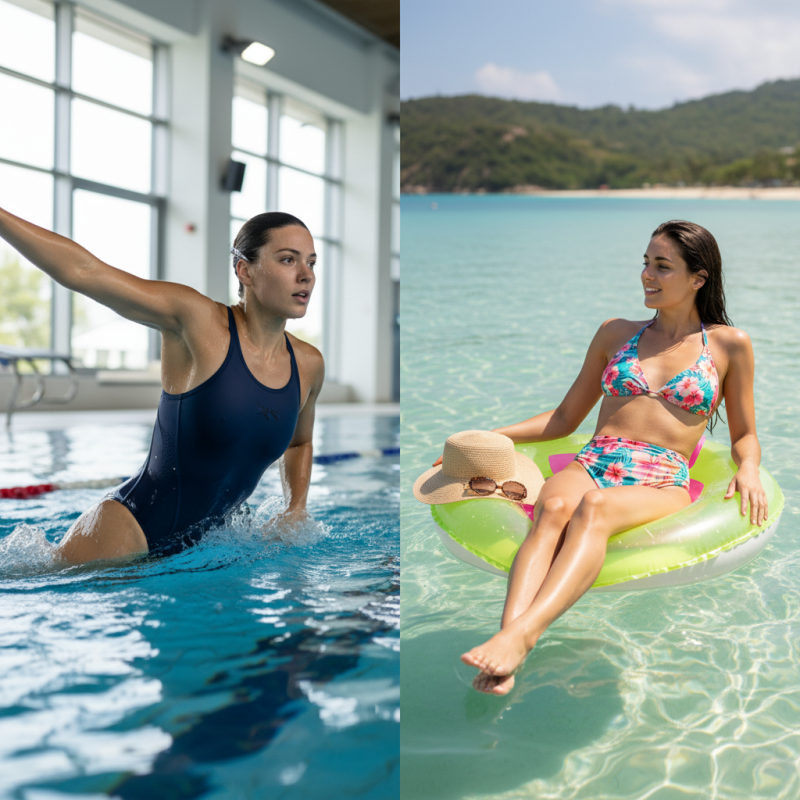
Choosing the right swimwear depends largely on its intended purpose. Training swimwear focuses on functionality and performance. These suits are usually made from durable fabrics that enhance hydrodynamics. They often feature sleek designs and tighter fits to reduce drag in the water. Athletes often prefer racerbacks or tank styles for more freedom of movement.
On the other hand, leisure swimwear emphasizes comfort and style over serious performance. These suits cater to a wide range of body types and fashion tastes. You might find vibrant colors, fun prints, and relaxed fits ideal for lounging by the pool or enjoying beach activities. While they may not offer the same performance enhancement, they provide a sense of confidence that goes beyond just swimming.
Choosing between these types can be tricky. Some individuals might feel tempted to wear leisure suits for training, which could hinder their performance. Others may prioritize looks over comfort, resulting in unsatisfactory experiences in the water. Reflect on what you truly need, whether it’s performance or relaxation, to make an informed decision.
| Type | Best For | Material | Support Level | Design Features |
|---|---|---|---|---|
| Training Swimsuit | Competitive Swimming, Training Sessions | Chlorine-resistant Polyamide | High Support | Streamlined Fit, Open Back |
| Leisure Swimsuit | Recreational Swimming, Relaxation | Soft Polyester Blend | Medium to Low Support | Variety of Styles, Fashionable Prints |
| Jammer | Training & Sprints | Lycra Nylon | High Support | Tight Fit, Knee Length |
| Bikini | Sunbathing, Casual Swimming | Lightweight, Quick Dry Fabric | Low Support | Adjustable Straps, Trendy Designs |
: Look for comfort and durability in the fabric. High-performance materials enhance movement.
A snug fit is vital. Loose swimwear creates drag, hindering speed and performance.
Fabrics like nylon and spandex are recommended. They provide optimal stretch and recovery.
Chlorine can damage swimwear quickly. Suits designed for frequent use last longer and save money.
A well-fitting suit should hug your body. Try different sizes to find the right one.
Different cuts cater to various shapes. Higher leg cuts can elongate the figure.
Yes, stretchy materials allow for freedom of movement. They enhance your training experience.
Definitely. Sizes vary significantly between styles. Finding the right fit may take time.
Yes, especially if unsure about fit. Professional advice can lead to better choices.
Consider past experiences and comfort. A suit that inspires confidence improves joy in training.
When considering how to select swimwear for training vs leisure activities, it’s essential to understand the purpose behind the swimwear. Training swimwear is designed for functionality and performance, featuring materials that enhance comfort and reduce drag in the water. Key features to focus on include fit, support, and durability, all of which are crucial for effective training sessions.
In contrast, leisure swimwear prioritizes style and personal preferences, allowing for a range of designs that cater to comfort and aesthetics. When selecting leisure swimwear, factors such as fabric choice and the overall fit remain important, but there is more flexibility in style to suit individual tastes. By understanding these distinctions, one can make informed decisions to enhance both training experiences and leisurely days by the pool or beach.

 Lifted Clothe