How to Choose Eco Friendly Clothing Materials for Your Business?

Time:2026-06-24 Author:Sophia
0%

In recent years, the fashion industry has witnessed a significant shift towards sustainability. A report by McKinsey indicates that over 70% of consumers prefer brands that demonstrate environmental responsibility. This growing demand prompts businesses to focus on how to choose eco friendly clothing materials. Sustainable fabrics can reduce environmental impact and meet consumer expectations.

Many materials, like organic cotton and recycled polyester, offer a lower carbon footprint than traditional textiles. A Global Fashion Agenda report shows that using sustainable materials can cut greenhouse gas emissions by 30%. However, not all brands effectively communicate their sustainability efforts, leaving customers confused. This highlights the need for informed decisions when selecting materials.

Choosing eco-friendly clothing materials is not just a trend, but a responsibility. Many businesses still struggle with transparency in their supply chains. Consumers are increasingly aware of the environmental consequences of fast fashion. Businesses must adapt and embrace sustainable practices to remain relevant and ethical in a competitive market. Reflecting on these points can lead to a more holistic approach to sustainability in fashion.
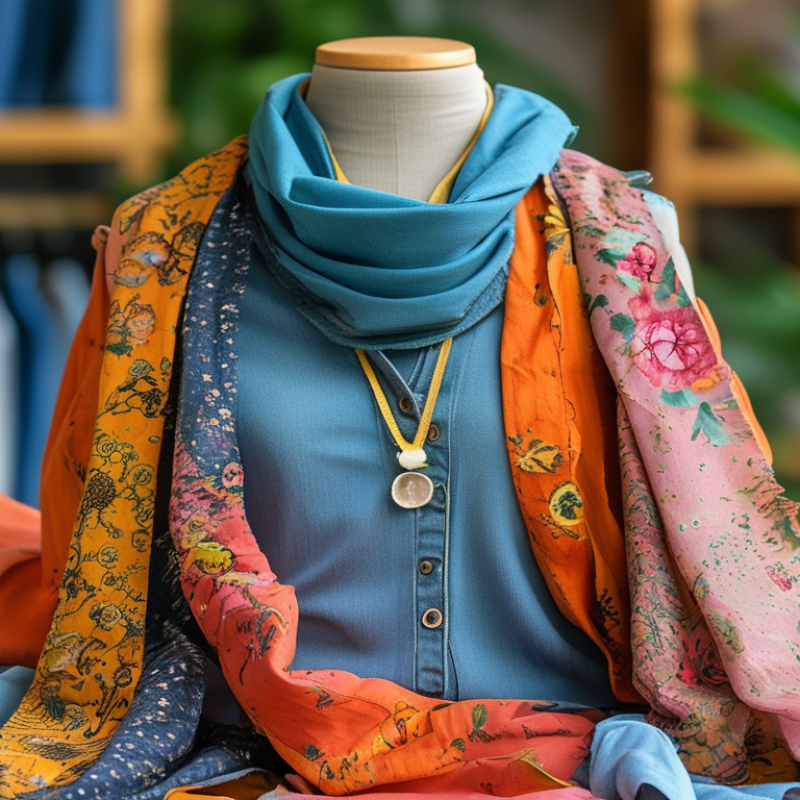
How to Choose Eco Friendly Clothing Materials for Your Business?

Understanding the Importance of Eco-Friendly Clothing Materials

Choosing eco-friendly clothing materials is critical in today’s fashion industry. Understanding their importance can greatly impact your business and the environment. Eco-friendly materials reduce pollution and minimize waste. They often come from renewable resources. For example, organic cotton uses less water and avoids harmful pesticides. This sustainability aspect can resonate well with consumers who prioritize green choices.

Moreover, using eco-friendly fabrics enhances your brand’s credibility. It shows commitment to ethical practices. However, some materials marketed as "eco-friendly" may not meet all sustainability standards. This inconsistency can confuse consumers. It’s essential to verify certifications and research the production process. Transparency builds trust and can differentiate your brand in a crowded market.

Yet, sustainability isn’t always perfect. Balancing eco-friendly choices with cost and availability can be challenging. Sometimes, these materials may not perform as well as conventional ones. These trade-offs require careful consideration and innovation. Striving for sustainability is a continuous journey. It invites reflection and growth in business practices. Understanding these nuances can lead to better decision-making in material selection.

Materials Comparison for Eco-Friendly Clothing

Identifying Sustainable Fabric Options for Your Business

Choosing sustainable fabrics is critical for environmentally-conscious businesses. Globally, the fashion industry contributes approximately 10% of carbon emissions. This statistic highlights the pressing need for eco-friendly alternatives. Sustainable fabrics are made from renewable resources and have a lower environmental impact.

Cotton, for instance, is a popular choice but can require significant water and pesticides. Organic cotton is a better option. It uses natural farming practices and reduces water consumption by 91%. Additionally, hemp is increasingly recognized for its sustainability. It grows quickly, needs less irrigation, and improves soil health. According to a 2021 report from the Textile Exchange, nearly 25% of textiles produced are now made from recycled materials. Brands focusing on these materials may appeal to consumers seeking transparency.

However, it’s not just about fabric choice. Education on sourcing and processing is essential. Misleading claims can damage credibility. Businesses must invest time in researching suppliers. Transparency and authenticity in the supply chain build trust with consumers. Making informed decisions today can lead to a more sustainable future in fashion.

How to Choose Eco Friendly Clothing Materials for Your Business? - Identifying Sustainable Fabric Options for Your Business

Material Source Biodegradability Water Usage Environmental Impact
Organic Cotton Cotton plants grown without synthetic pesticides Yes Less than conventional cotton Lower impact on ecosystems
Hemp Hemp plant Yes Minimal Very low; improves soil health
Tencel (Lyocell) Made from sustainably sourced wood pulp Yes Higher than cotton but closed-loop process Low impact; biodegradable
Recycled Polyester Recycled plastic bottles and waste No Less than virgin polyester Reduces landfill waste
Linen Flax plant Yes Requires less water Biodegradable; low environmental impact

Evaluating the Environmental Impact of Different Materials

When evaluating the environmental impact of clothing materials, it is crucial to understand their life cycles. Cotton, a commonly used fabric, is often touted as natural. However, conventional cotton farming uses extensive pesticides and large amounts of water. According to the World Wildlife Fund, it can take about 7,000 liters of water to produce just one pair of jeans. This alarming statistic emphasizes the need for a sustainable approach.

Synthetic materials like polyester pose their own challenges. Production relies heavily on fossil fuels, contributing to greenhouse gas emissions. A study from the Ellen MacArthur Foundation revealed that synthetic microfibers can enter oceans, harming marine life. Each shirt made from polyester can release microplastics during washing, impacting waterways long after the garment is worn.

Recycled materials present a potential solution. Using recycled polyester can reduce energy consumption by up to 75% compared to virgin polyester. Yet, this still raises questions about the sustainability of recycling processes. Consumers seek transparency, but not all recycling methods are equal. To make informed choices, business owners must dig deeper into the specifics of each material they consider.

Assessing Quality and Durability in Eco-Friendly Fabrics

When choosing eco-friendly fabrics for your business, quality and durability are paramount. Sustainable materials should withstand regular use while maintaining their appearance. Look for fabrics made from organic cotton, bamboo, or hemp. They not only minimize environmental impact but also offer resilience. Assess the fabric's weight and texture. Heavier fabrics may provide better durability.

**Tips:** Test the feel of different materials. A fabric may look good but feel rough. Durability tests can involve washing samples multiple times. Observe how they hold up to wear.

Consider the dyeing process. Eco-friendly dyes tend to be less harsh. However, they may also fade faster. Balancing aesthetic appeal with longevity is essential.

**Tips:** Choose natural dyes when possible. They can be less vibrant but are better for the planet. Always ask suppliers about fabric certifications and sourcing practices. This will enhance your business's credibility.

Implementing Sustainable Sourcing Practices in Clothing Production

Sustainable sourcing practices are vital for eco-friendly clothing production. When selecting materials, businesses can prioritize organic cotton, recycled polyester, and Tencel. Each choice minimizes environmental impact. Organic cotton reduces water usage by up to 90% in comparison to conventional methods. Recycled polyester diverts plastic waste from landfills and can help decrease the reliance on virgin materials.

Transparency in the supply chain is crucial. Understanding where and how materials are sourced fosters accountability. However, it can be challenging. Many suppliers may not provide complete information. Companies must build strong relationships with their suppliers to ensure ethical and sustainable practices. Regular audits and assessments can reveal areas for improvement.

It is essential to engage with customers about these efforts. Share stories about sourcing and production processes. They might appreciate the journey of their clothing. Yet, businesses must remain cautious of greenwashing. Authenticity matters; consumers can easily identify misleading claims. Taking the time to establish credibility can resonate deeply with eco-conscious buyers.

FAQS

: Why is choosing sustainable fabrics important for businesses?

: Sustainable fabrics help reduce carbon emissions and promote eco-friendliness. The fashion industry contributes 10% of global emissions.

What are some examples of sustainable fabrics?

Organic cotton and hemp are popular options. Hemp grows quickly, needs less water, and enriches soil.

How does organic cotton differ from conventional cotton?

Organic cotton uses natural farming methods. It reduces water usage by 91% and avoids harmful pesticides.

What challenges do synthetic materials present?

Synthetic materials, like polyester, rely on fossil fuels. They also release microplastics, harming marine life.

Are recycled materials a sustainable choice?

Recycled materials can reduce energy use significantly. However, not all recycling processes are equally sustainable.

What should businesses consider when sourcing fabrics?

Transparency and authenticity in the supply chain are vital. Misleading claims can damage a brand’s credibility.

How much water is needed to produce conventional cotton?

Approximately 7,000 liters of water are needed for just one pair of jeans made from conventional cotton.

How can businesses build trust with consumers?

Investing time in researching suppliers and fabric sourcing can help build consumer trust in sustainable practices.

What is the environmental impact of microfibers from synthetic fabrics?

Microfibers can pollute oceans and waterways, causing long-lasting harm to marine ecosystems after washing.

How can consumers make informed fabric choices?

Consumers should research the specifics of each material and the sustainability of its sourcing and production.

Conclusion

When considering how to choose eco-friendly clothing materials for your business, it's essential to first understand the significance of using sustainable fabric options that minimize environmental impact. Identifying materials such as organic cotton, hemp, and recycled fabrics not only helps in reducing waste but also promotes a healthier ecosystem.

Evaluating the environmental implications of different fabrics is crucial in this process, as it involves researching their production methods and resource use. Additionally, ensuring the quality and durability of eco-friendly fabrics can lead to longer-lasting products, ultimately benefiting both the consumer and the planet. Implementing sustainable sourcing practices throughout the clothing production process further enhances your business's commitment to environmental responsibility, making it a key consideration in today's market.

Sophia

Sophia

Sophia is a dedicated marketing professional with an exceptional depth of knowledge about her company's products and services. With a keen understanding of market trends and customer needs, she crafts insightful blog posts that not only inform but also engage readers, enriching the company’s online......