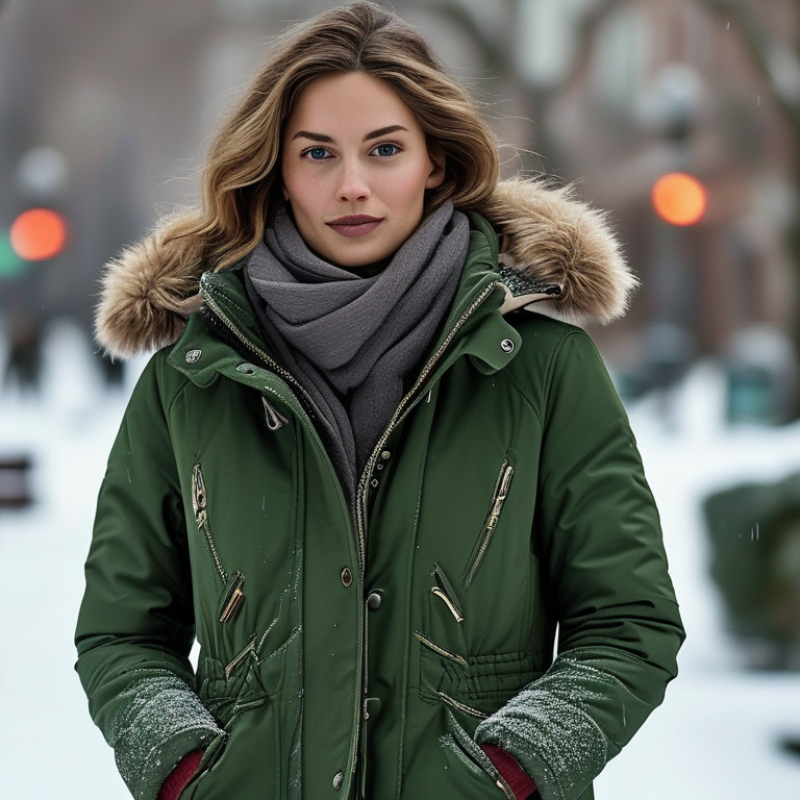
Choosing the right winter jacket is essential for facing harsh cold weather. According to outdoor expert Sarah Johnson, “A good winter jacket is your first line of defense against the cold.” When you consider how to choose winter jackets for cold weather, several factors come into play.
You need to assess the insulation, weight, and water resistance. Not every jacket fits all situations. Some may look stylish yet fail to keep you warm. Others might offer warmth but lack mobility. You can’t overlook the importance of fit. A well-fitted jacket makes a significant difference in your comfort.
In the end, it’s about finding the balance between style and functionality. Each person's needs vary. Reflect on your activities and location. Winter jackets are not just a fashion statement; they are protective gear. Making an informed choice can greatly enhance your winter experience.
Choosing the right insulation type is key for staying warm in winter jackets. Common insulation materials include down, synthetic, and fleece. Down insulation is lightweight and offers excellent warmth. However, it loses its insulating properties when wet. Synthetic insulation is often more water-resistant and dries quickly. Fleece, while less warm, provides comfort and breathability.
When selecting a jacket, consider your activities. For hiking, synthetic insulation is ideal. It maintains warmth even if wet. For casual city wear, down may be more suitable. Evaluate the climate too. Extreme cold may call for a jacket with multiple insulation types layered together.
Tips: Always check the fill power of down jackets. Higher fill power means better insulation. Also, consider the jacket's weight. Lighter jackets are easier to pack and carry. Look for features like adjustable hoods and cuffs to trap warmth effectively.
When selecting a winter jacket, understanding waterproofing technologies is essential. Many jackets use different methods to keep water out. For instance, the performance rating of these technologies can vary greatly. A common measure is the waterproof rating, usually expressed in millimeters. A rating of 5,000mm means the fabric can withstand 5,000mm of water before leaking.
According to a report from the Outdoor Industry Association, consumers often overlook the importance of breathability. This feature is crucial for regulating body temperature and preventing moisture buildup inside. A jacket with a breathability rating of 10,000g or higher is generally considered effective. It allows sweat vapor to escape, which helps in maintaining comfort during physical activities.
Despite advancements, not all jackets deliver the expected performance. Some may fall short in heavy rain or high winds. A study indicated that 30% of consumers reported dissatisfaction with their jackets during extreme weather. It’s vital to test jackets under real conditions when possible. While relying on ratings can help, personal experience may reveal limitations in specific scenarios. Look for jackets that balance these features effectively to find your best fit.
Breathability is crucial when selecting a winter jacket. Many believe heavy insulation is enough for cold weather. However, if the jacket lacks breathability, it can trap moisture. This leads to discomfort and chills. A proper winter jacket should balance warmth and airflow. Look for materials that wick sweat away. This helps maintain body temperature and keeps you dry.
Consider the type of activities you’ll be doing. If you plan to be active, you need a more breathable jacket. Look for features like pit zips or mesh lining. They allow excess heat to escape without sacrificing warmth. For casual wear, a less breathable option may suffice. But, it's essential to consider how much you'll be moving.
Pay attention to fabric technology. Some jackets use advanced materials that offer high breathability and insulation. Others might not provide this benefit, leading to a bad choice. Think about your winter habits and where you'll be. A jacket that works in a snowy city may not be ideal for a wet coastal area. Always reflect on your needs before making a purchase.
| Jacket Type | Insulation Material | Breathability Rating (g/m²/24h) | Temperature Range (°F) | Weight (lbs) |
|---|---|---|---|---|
| Down Jacket | Duck Down | 600 | -10 to 30 | 2.5 |
| Synthetic Jacket | Polyester Fiber | 300 | 10 to 30 | 3.0 |
| Softshell Jacket | Fleece Linings | 800 | 15 to 40 | 2.0 |
| Insulated Parka | Goose Down | 700 | -20 to 10 | 4.0 |
| Shell Jacket | Waterproof Fabric | 1000 | 20 to 50 | 1.5 |
When choosing winter jackets, understanding fit and functionality is crucial.
Slim styles may appeal to those seeking a fashionable silhouette.
They often feature a tailored design, hugging the body closer.
This can enhance warmth but can limit layering underneath.
You might find yourself wearing a bulkier sweater beneath a slim jacket.
Consider whether you can comfortably move.
On the other hand, relaxed-fit jackets prioritize comfort.
They allow more space for layering. This can be especially important if you plan on wearing thicker materials.
A relaxed jacket might not provide the same sleek look, but it offers better ventilation.
It can also accommodate varying body types.
Think about the activities you’ll engage in; climbing or running may be easier in a relaxed fit.
Reflecting on your personal style is essential. If you frequently feel cold, a relaxed style may be better.
Yet, if you prefer a sharp look, slim jackets could work. Ultimately, your choice should align with your needs and activities.
It’s not just about appearance but feeling comfortable in your winter jacket.
When choosing a winter jacket, understanding temperature ratings is crucial. These ratings indicate the jacket's insulation effectiveness. Look for garments rated for specific temperature ranges. This helps you match gear to expected cold conditions. Some jackets are designed for breathability, while others prioritize warmth. Finding the right balance is key.
Tips: Always check the insulation material. Down feathers provide excellent warmth but may not do well in wet conditions. Synthetic options often retain heat even when wet. Evaluate how each material fits your lifestyle.
Industry standards for cold weather gear can sometimes be misleading. Different manufacturers use varying testing methods. Research the testing methods to ensure reliability. Do not rely solely on ratings. Real-life experience, such as trying on jackets in cold environments, can provide better insights.
Tips: Consider layering options. A thin, insulated jacket could be paired with a waterproof shell for versatility. Test your chosen layer combination in varying temperatures. It’s important to feel comfortable and warm without overheating. Your ideal winter jacket should offer protection against the elements while allowing ease of movement.
: Common insulation types include down, synthetic, and fleece. Each has unique properties for warmth.
Down insulation is lightweight and offers excellent warmth. However, it loses effectiveness when wet.
Synthetic insulation is ideal for activities like hiking. It maintains warmth even when wet and dries quickly.
Breathability helps regulate body temperature. It prevents moisture buildup inside, enhancing comfort during activities.
Waterproof ratings, expressed in millimeters, show how much water a jacket can withstand before leaking.
Consider whether you need a slim fit for style or a relaxed fit for comfort and layering options.
Relaxed-fit jackets prioritize comfort and allow for layering. They accommodate different body types better.
Not all jackets perform well in heavy rain or high winds. Testing in real conditions is important.
Look for adjustable hoods and cuffs to trap warmth effectively. This can enhance insulation performance.
Personal style plays a role in comfort and warmth. A relaxed style is better for staying warm and active.
When considering how to choose winter jackets for cold weather, it's essential to evaluate several key factors. First, understanding insulation types is crucial for achieving maximum warmth in the jacket. Different materials offer varying levels of thermal efficiency, impacting your overall comfort in low temperatures. Additionally, assessing waterproofing technologies and their performance ratings will help ensure you remain dry during wet and snowy conditions.
Breathability is another important aspect, as selecting a jacket that allows moisture to escape will enhance comfort levels during physical activities. Furthermore, the fit and functionality—whether slim or relaxed styles—should align with your personal preferences and intended use. Lastly, examining temperature ratings and industry standards will guide you in finding a jacket that meets your specific cold weather needs, ensuring you stay warm and protected throughout the winter.
Lifted Clothe