Top Outdoor Winter Clothing What to Look For?

Time:2026-10-14 Author:Henry
0%

Choosing top outdoor winter clothing requires more than comparing insulation ratings or fashionable colors. Real comfort depends on how each garment performs during movement, wind, moisture, and sudden temperature changes. The key question is what to look for in outdoor winter clothing before buying it. Start with practical protection: a warm base layer, an insulating mid-layer, and a weather-resistant outer shell. This system gives you flexibility when walking uphill, waiting for transport, or resting beside a snowy trail.

Fit matters. Clothing should allow movement without leaving large gaps around the neck, cuffs, or waist. Look for adjustable hoods, secure pockets, reinforced seams, and zippers that remain usable with gloves. Waterproof fabric helps in wet snow, while breathable panels can reduce the damp feeling caused by sweat. However, no material performs perfectly in every condition. I once underestimated how quickly wet gloves could ruin a comfortable winter outing. That small mistake changed how I judge cuffs, pocket placement, and spare-layer storage.

Reliable winter clothing should also match the activity. A lightweight jacket may suit brisk city walks, but longer exposure demands stronger insulation and wind protection. Check care instructions, fabric specifications, and independent product testing where available. These details offer better evidence than bold marketing claims. Personal comfort still varies, so try garments with the layers you normally wear. Trust the evidence. Then question it. Even excellent clothing needs sensible pacing, weather awareness, and regular inspection before leaving home.
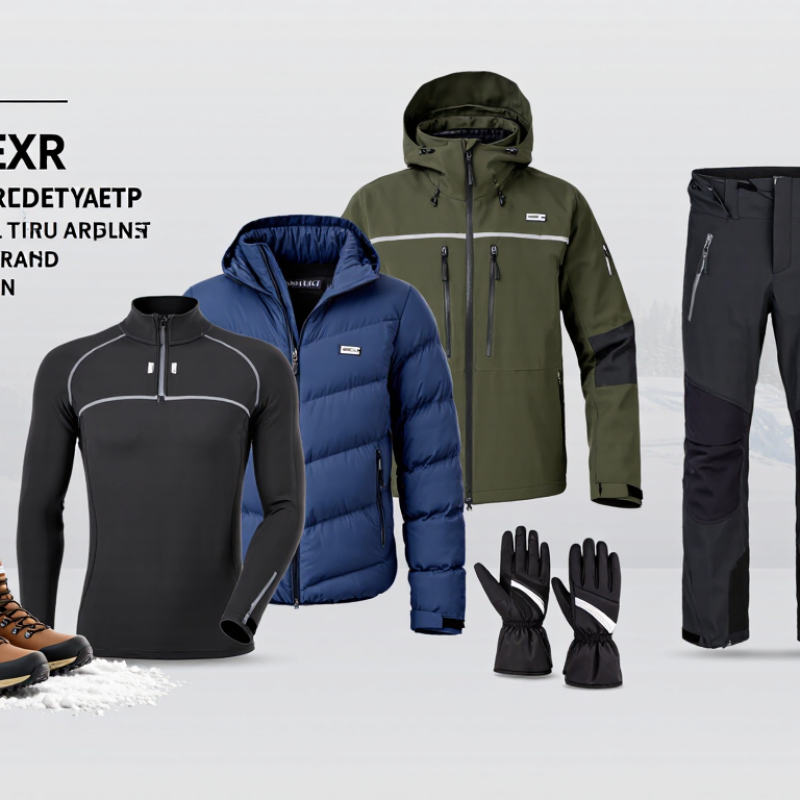
Top Outdoor Winter Clothing What to Look For?

Understanding the Core Layers of Outdoor Winter Clothing

Outdoor winter clothing works as a system, not a single thick jacket. The core layers manage moisture, warmth, and weather. I learned this during a windy trail walk. My heavy coat felt warm at the start, but sweat soon chilled my base shirt. The lesson was uncomfortable. Dry skin matters before extra insulation.

A close-fitting base layer moves perspiration away from the body. Merino wool or synthetic fabric can work well, while cotton often stays damp. The middle layer traps warm air. Fleece, wool, or light insulated fabric offers different balances of breathability and warmth. I prefer adjustable insulation because uphill walking creates heat quickly. Still, I sometimes overdress and carry unnecessary weight. That mistake makes simple trips harder.

The outer layer blocks wind and precipitation. Look for a breathable shell with sealed seams, a useful hood, and secure cuffs. Ventilation zippers can release heat during steep climbs. Layer fit deserves attention too. Test every layer together before leaving home. Can you raise your arms? Can you reach a pocket? Stay flexible. Gloves, socks, and headwear complete the system without restricting movement. Weather changes quickly, so check forecasts and bring one practical backup layer.

Choosing Insulation for Warmth, Weight, and Activity Level

When choosing top outdoor winter clothing, insulation should match your warmth needs, weight limits, and activity level. The right jacket for a snowy campsite may feel uncomfortable during a fast uphill hike. Insulation traps body heat, but it also affects pack size and moisture control. Down usually offers excellent warmth for its weight and compresses tightly. However, it loses much of its insulating power when soaked. Synthetic insulation stays more dependable in damp weather, though it often feels heavier. Warmth matters most.

Activity level changes the answer. For slow walks, winter photography, or standing at a trailhead, thicker insulation can prevent chilled shoulders and cold hands. During steep climbs, excessive insulation may cause sweating within minutes. A lighter mid-layer, combined with a wind-resistant shell, often gives better control. Open vents before your base layer becomes wet. Wet fabric pulls heat away quickly. I still overdress sometimes, especially when the forecast looks harsher than the trail feels.

Fit also deserves careful attention. Leave enough room for a base layer and fleece, but avoid loose gaps around the neck and cuffs. Check whether the hood moves with your head without blocking vision. A useful test is simple: raise your arms, bend forward, and reach for a zipper. If the hem rises above your waist, cold air can enter. My own mistake was choosing a very warm coat that restricted movement. It looked protective, but climbing felt tiring and awkward.

Evaluating Shell Materials for Weather Protection and Breathability

Top Outdoor Winter Clothing: What to Look For?

A winter shell must block rain, melting snow, and sharp wind without trapping body heat. Start with the material’s waterproof rating, usually measured in millimeters through hydrostatic-pressure testing. Higher values generally resist greater water pressure, but testing methods differ. ASTM D751 offers one recognized method for coated fabrics.

Breathability matters during uphill movement. Look for moisture-vapor transmission data, often shown as grams per square meter over 24 hours. ASTM E96 is commonly used, although results can vary between laboratories. A 2024 Textile Exchange Materials Market Report reported that polyester represented about 59% of global fiber production in 2023. That figure shows its industry scale, not automatic performance. Fiber choice alone cannot guarantee comfort.

A practical shell needs sealed seams, covered zippers, and adjustable cuffs. Check them closely. A very high laboratory rating may disappoint when a backpack compresses the fabric or dirt blocks the face treatment. I have found that ventilation openings can matter more than impressive numbers during hard climbs. Numbers can mislead.

Choose a durable outer fabric with a waterproof membrane or coating, then compare breathability, weight, and repairability. The European Outdoor Conservation Association and textile testing bodies emphasize longer product use as a meaningful sustainability measure. That point deserves more attention. A lighter shell may feel comfortable, yet a slightly heavier design could survive repeated winter abuse. Field conditions remain messier than laboratory tests.

Top Outdoor Winter Clothing: What to Look For? — Evaluating Shell Materials for Weather Protection and Breathability

Shell material or construction Typical waterproof rating* Breathability tendency* Durability and abrasion resistance Winter-weather suitability What to look for
Coated nylon or polyester
Woven face fabric with a continuous polyurethane or similar coating
About 5,000–20,000 mm Low to moderate; moisture vapor can be limited by the coating Good basic resistance; heavier fabrics generally tolerate abrasion better Suitable for light to moderate snow, wind, and occasional wet conditions A tightly woven face, taped seams, durable water-repellent treatment, and adequate coating thickness
2-layer waterproof-breathable laminate
Membrane bonded to the inner side of the face fabric, usually with a separate liner
About 10,000–30,000 mm Moderate to high, depending on membrane and test method Good; the liner helps protect the membrane during use A versatile choice for resort skiing, hiking, commuting, and general winter use A comfortable liner, fully sealed seams, adjustable cuffs, and a storm flap over the main zipper
2.5-layer waterproof-breathable laminate
Membrane with a printed or very thin protective layer on the inside
About 10,000–30,000 mm Moderate to high; often lighter and less bulky than lined constructions Moderate; the inner print may feel less comfortable against bare skin and can need careful washing Good for active winter sports where low weight and packability matter A smooth inner finish, reliable seam taping, and ventilation openings for high-output activity
3-layer waterproof-breathable laminate
Face fabric, membrane, and protective backer bonded into one construction
About 20,000–40,000 mm or higher High when properly designed; performance varies with membrane and conditions Very good; the integrated backer protects the membrane and reduces fabric movement Best for prolonged exposure, heavy snow, wet storms, and demanding alpine use High-denier face fabric, reinforced high-wear zones, complete seam sealing, and compatible layering space
Stretch-woven softshell
Woven fabric with a durable water-repellent finish, sometimes with a wind-resistant membrane
Usually below 10,000 mm; many versions are water-resistant rather than fully waterproof Moderate to very high because the fabric can release heat efficiently Very good for abrasion and repeated movement Excellent for dry, cold, windy activity; less reliable in prolonged rain or wet snow Dense weave, strong stretch recovery, wind resistance, and a durable face finish
Insulated waterproof shell
Waterproof outer construction combined with synthetic or down insulation
About 10,000–30,000 mm, depending on the shell Usually lower during intense activity because insulation retains heat and can slow drying Good to very good; outer fabric and stitching are critical Strong choice for stationary use, cold commuting, resort skiing, and low-output activities Synthetic insulation for damp conditions, a weatherproof hood, powder skirt, adjustable hem, and pit zips
Notes: Waterproof ratings are hydrostatic-head values reported in millimetres; higher numbers generally indicate greater resistance to water pressure. Breathability values are not directly comparable unless the same laboratory test method is used. Real-world performance also depends on seam sealing, zippers, fit, layering, face-fabric wetting, temperature, humidity, and activity level.

Selecting Functional Features for Comfort, Mobility, and Safety

Choosing winter clothing for outdoor use means testing function, not admiring insulation alone. The 2024 Outdoor Participation Trends Report recorded 175.8 million U.S. participants in 2023. More people are outside, often in changing conditions. A practical jacket should block wind, release heat, and move with the body. Look for adjustable cuffs, a secure hood, and two-way zippers. Articulated elbows and stretch panels help when climbing, skiing, or carrying a pack. I prefer several thin layers over one bulky coat. It feels less impressive, but movement improves.

Moisture control matters during steady effort. A breathable outer shell should include sealed seams and ventilation zips. Check the fabric’s waterproof rating, but treat laboratory figures cautiously. Real performance changes with washing, pressure from straps, and worn coatings. The National Weather Service wind chill chart shows frostbite can occur in about 30 minutes at a wind chill of -18°F. Exposed skin therefore needs protection from gaps around the neck, wrists, and ankles. A warm hat is not optional. Small openings become painful quickly.

Safety details should remain visible and usable. Reflective panels, bright colors, and a whistle can help during low-light travel. Choose pockets that close securely without restricting arm swing. Gloves should allow you to operate buckles and phones. I once selected thick mitts that were warm but nearly useless around zippers. That was poor judgment. Comfort also depends on fit: test the full clothing system while bending, reaching, and sitting. Outdoor clothing should support decisions under pressure, not create another problem.

For demanding winter activities, look for approximately 10,000 mm waterproofing and 10,000 g/m²/24h breathability. Around 1.5 CLO of insulation can support cold-weather comfort, while at least 15% four-way stretch can improve mobility. These are practical reference targets rather than brand-specific requirements; the right specification depends on activity level, weather, and layering.

Matching Winter Clothing to Terrain, Climate, and Personal Needs

Top Outdoor Winter Clothing: What to Look For

Matching winter clothing to terrain matters more than choosing the thickest jacket. On windy ridges, wind resistance protects warmth better than heavy insulation alone. NOAA’s Wind Chill Temperature Index shows how moving air sharply lowers perceived temperature. Wet forests demand water-resistant shells, while dry alpine routes need breathable layers. ISO 11079 evaluates clothing insulation through measured thermal resistance, but real comfort still depends on movement, sweat, and rest periods. I sometimes overdress at the trailhead and regret it during steep climbs.

Personal needs also shape the correct system. A slow hiker may need more insulation than a fast climber. Gloves should allow map reading and safe pole control. Boots must match snow depth, mud, and traction demands. The Outdoor Industry Association’s 2024 participation report recorded 175.8 million U.S. outdoor participants in 2023. More people outdoors means more varied bodies, abilities, and clothing requirements. One universal winter outfit is unrealistic.

Tips: Use three adjustable layers. Keep a dry base layer inside a sealed bag. Carry spare gloves. Test clothing on short trips before remote routes. Check forecasts, wind, and precipitation together. Do not trust a jacket’s label alone. Fit, ventilation, and your personal pace matter. I still miss small details, especially damp socks. That mistake is avoidable.

FAQS

Why is outdoor winter clothing best used as a layered system?

Each layer handles a different job: moisture, warmth, or weather protection. A thick coat alone may trap sweat. Dry skin matters.

What should a base layer do?

A close-fitting base layer should move perspiration away from your skin. Wool or synthetic fabric can work well. Cotton often stays damp.

How should I choose a middle layer?

Choose fleece, wool, or light insulation based on activity and weather. Adjustable insulation helps during steep climbs. I still sometimes overdress.

When is thicker insulation useful?

Thicker insulation suits slow walks, winter photography, and waiting outdoors. It keeps shoulders and hands warmer. It may feel excessive during fast hiking.

What are the main differences between down and synthetic insulation?

Down offers strong warmth with low weight and small pack size. It loses insulation when soaked. Synthetic insulation performs more reliably in damp conditions, but it can feel heavier.

How can I prevent sweating during uphill movement?

Start with lighter insulation and use a wind-resistant outer layer. Open ventilation zippers before your base layer becomes wet. I sometimes react too late.

What should I look for in an outer layer?

Choose a breathable shell with sealed seams, a useful hood, and secure cuffs. Ventilation zippers help release heat. A hood should move with your head.

How can I check whether my clothing fits correctly?

Wear every layer together before leaving home. Raise your arms, bend forward, and reach for a zipper. The hem should not rise above your waist.

What small items complete a winter clothing system?

Gloves, socks, and headwear protect exposed areas without limiting movement. Bring one practical backup layer. Weather changes quickly.

What common mistake should winter hikers avoid?

Avoid choosing warmth without considering movement and moisture. A bulky coat may feel protective but make climbing tiring. Comfort needs checking.

Conclusion

Choosing the right outdoor winter clothing begins with understanding how core layers work together. A moisture-wicking base layer helps manage sweat, an insulating middle layer preserves body heat, and a protective outer shell blocks wind, rain, and snow. When deciding what to look for in outdoor winter clothing, consider the balance between warmth, weight, breathability, and activity level. Lightweight insulation may suit active pursuits, while thicker materials can provide greater comfort during slower or colder outings.

The outer shell should offer dependable weather protection without restricting movement or trapping excess moisture. Functional details such as adjustable cuffs, secure pockets, protective hoods, reflective elements, and durable closures can improve comfort, mobility, and safety. Clothing should also match the terrain and climate, whether you are traveling through wet forests, windy open areas, or snowy trails. Finally, personal factors such as layering preferences, trip length, fit, and expected exertion should guide your choices, ensuring reliable protection and comfort throughout winter activities.

Henry

Henry

Henry is a dedicated marketing professional with a profound expertise in the company's offerings. With years of experience in the industry, he possesses an impressive understanding of the market dynamics and consumer behaviors that drive success. Henry is committed to sharing his insights through......