As winter approaches, staying warm becomes a priority for many. The question arises: what are the benefits of thermal clothing? This specialized attire offers a solution to cold weather discomfort. Thermal clothing is designed to trap body heat, ensuring warmth in frigid temperatures. Unlike regular clothing, these garments often use advanced materials that wick moisture away from the skin. This feature plays a vital role in keeping wearers dry, which is essential for comfort.
Additionally, thermal clothing is lightweight and allows for ease of movement. This makes it ideal for outdoor activities like skiing or hiking. The snug fit of thermal wear can sometimes feel restrictive, which may not suit everyone’s preferences. Yet, the trade-off often results in better heat retention. Experts recommend layering thermal clothing with other garments for optimal insulation.
In summary, understanding the benefits of thermal clothing can enhance your winter experience. Choosing the right thermal gear can make a significant difference in comfort levels during cold weather. As temperatures drop, investing in quality thermal wear may prove wise, balancing warmth with mobility.
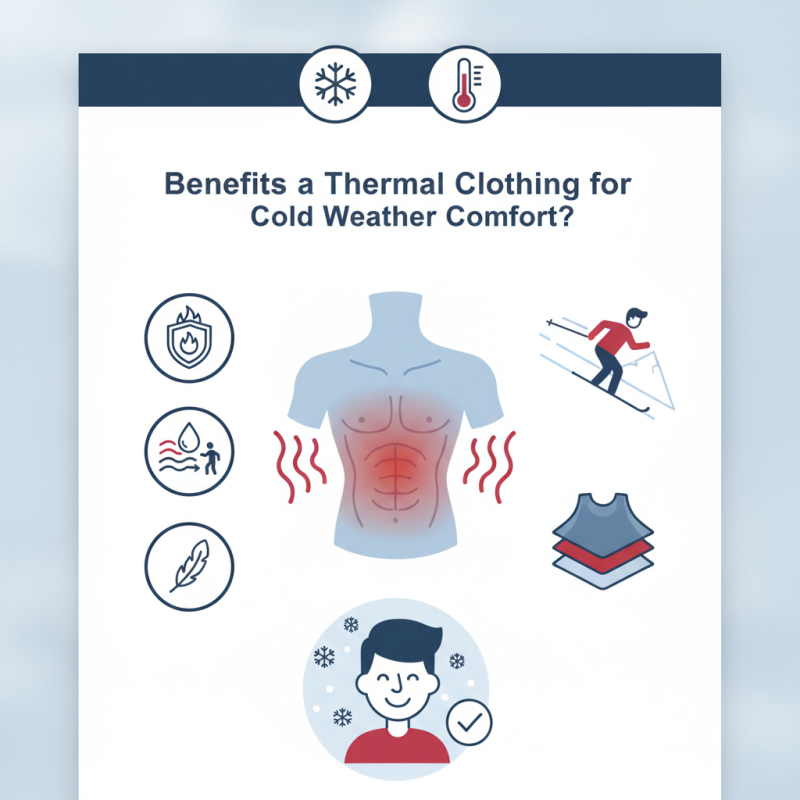
Thermal clothing is designed to keep you warm when temperatures drop. Its fabric traps heat generated by your body. This action minimizes heat loss, allowing you to stay comfortable outdoors. The material often blends synthetic fibers with natural ones. This blend boosts insulation while reducing moisture buildup. Such features enhance your overall comfort.
Choosing the right thermal clothing can be tricky. Fit is essential; too tight can restrict movement, while too loose may not retain heat effectively. Layering plays a crucial role in staying warm. Combining thermal base layers with other clothing increases heat retention. This strategy helps your body manage warmth and moisture.
Consider the activities you'll engage in; this impacts your choice of thermal wear. High-energy activities require breathable materials that wick sweat. Conversely, for low-activity levels, a thicker, insulated fabric may be better. Reflecting on your needs can lead to smarter purchases. Not all thermal clothing is created equal; understanding this can guide better choices for cold weather adventures.
| Benefit | Description | Impact on Comfort |
|---|---|---|
| Enhanced Insulation | Thermal clothing retains body heat, reducing heat loss. | Keeps the body warm in cold environments, improving overall comfort. |
| Moisture Management | Wicks away sweat from the skin, maintaining dryness. | Prevents chilling from dampness, enhancing warmth and comfort. |
| Lightweight Design | Offers warmth without bulk, allowing for easy movement. | Increases freedom of movement while staying warm. |
| Layering Capability | Can be worn under other clothing for added warmth. | Enhances warmth without significantly affecting outfit style. |
| Durability | Made to withstand harsh conditions and frequent use. | Long-lasting performance provides reliable cold weather protection. |
: They draw sweat away from the skin, keeping you dry and comfortable in cold weather.
Synthetic fibers are best for moisture management. They outperform natural fibers like cotton.
Proper insulation allows for longer activities without feeling cold or succumbing to cold stress.
No, it actually enhances mobility while reducing the risk of frostbite or hypothermia.
Cold weather can dehydrate you just like heat. Stay hydrated for safety.
Yes, loose clothing can trap cold air. A good fit maximizes warmth and moisture-wicking.
Using the wrong fabric can lead to moisture buildup, causing discomfort in cold weather.
No, you must consider hydration and nutrition too, balancing all factors is crucial.
Test different gear and pay attention to how each performs for your specific activities.
It prevents sweat buildup, which can lead to discomfort and chills in cold conditions.
Thermal clothing is essential for ensuring comfort and safety in cold weather, primarily by enhancing heat retention. One of the key benefits of thermal clothing is its ability to retain body heat effectively, allowing for longer outdoor activity durations. The incorporation of moisture-wicking fabrics further enhances these garments' performance, ensuring that perspiration is drawn away from the skin, which helps to maintain warmth.
In addition, understanding the various insulation materials used in thermal wear is critical for optimizing cold weather comfort. Layering techniques play a significant role in maximizing the benefits provided by thermal clothing, as they can trap heat while ensuring breathability. In sum, what are the benefits of thermal clothing? They include improved heat retention, moisture management, and the ability to adapt clothing layers for ultimate comfort and safety in cold conditions.

 Lifted Clothe