Choosing ski clothing for global buyers involves more than comparing insulation ratings or attractive colorways. Weather changes sharply between a wet European resort, a windy Japanese mountain, and a dry North American slope. Buyers must examine how each feature performs in real conditions, not only in product photographs.
So, what features should ski clothing have? Reliable ski apparel should combine waterproof protection, breathable fabrics, wind resistance, thermal insulation, flexible movement, secure storage, and practical visibility. Sealed seams can prevent icy moisture from entering. Adjustable cuffs help block snow around gloves. A high collar protects the neck during chairlift rides, while ventilation zippers release heat during steep climbs. These details feel small. They matter quickly.
Alfred Wainwright, the respected British outdoor authority, is widely credited with saying, “There is no such thing as bad weather, only bad clothing.” The wording is memorable, although its exact attribution is sometimes debated. His point still fits modern ski clothing evaluation. No single feature works perfectly everywhere. Thick insulation may feel comfortable at the lift but restrictive during active skiing. Maximum waterproofing may also increase weight or reduce breathability. Global buyers should therefore compare climate, activity level, layering habits, sizing, and maintenance requirements. This guide examines seven practical features that support safer, more comfortable, and more dependable purchasing decisions. Some recommendations will not suit every skier. That limitation deserves attention.
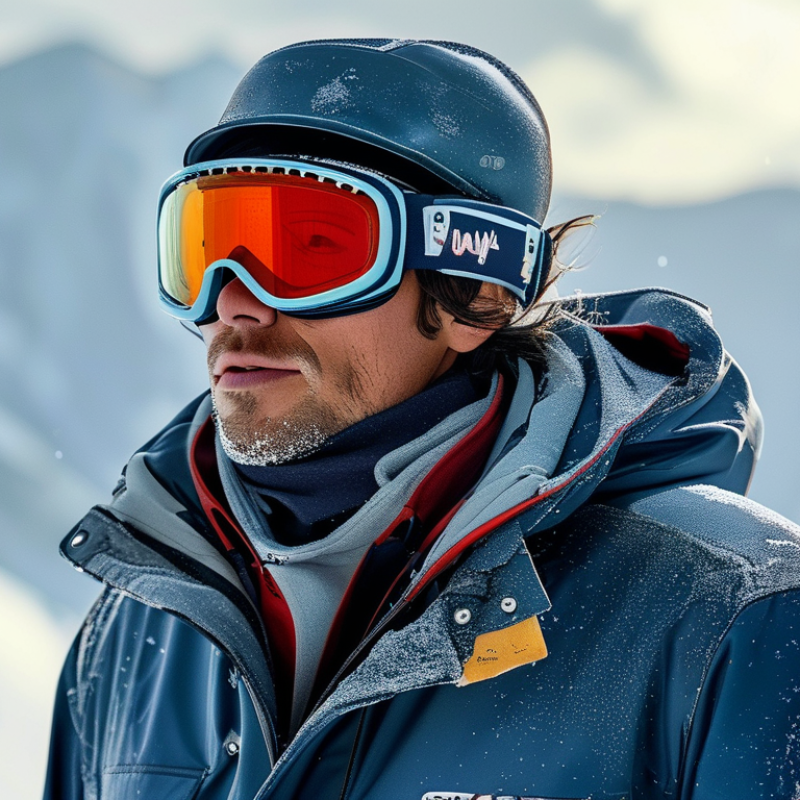
7 Best Ski Clothing Features for Global Buyers: Weather Protection
Weather protection begins with the outer fabric. Waterproof ski clothing should resist melting snow, sleet, and chairlift moisture. Look for a tested waterproof rating, but do not trust numbers alone. A jacket with sealed seams can outperform a higher-rated garment with exposed stitching. Water often enters through zippers, cuffs, and pockets. Small openings matter.
Windproof materials reduce heat loss on exposed slopes. A tightly woven shell or protective membrane can block strong alpine gusts. However, complete wind blocking may reduce breathability during uphill movement. Ventilation zippers, mesh-backed openings, and adjustable cuffs help release trapped heat. Underarm vents are especially useful after several fast runs. Damp insulation chills quickly.
Global buyers should match materials to local conditions. Wet coastal snow needs stronger waterproofing, while dry continental cold may require thicker insulation. A longer back panel protects clothing when sitting on cold snow. Helmet-compatible hoods and snow skirts add practical coverage. Test gloves with the cuffs before purchasing. I have seen otherwise excellent jackets fail at this detail. Fit also affects protection; loose gaps expose skin, while tight layers restrict movement. No fabric performs perfectly in every storm. Washing can also reduce water repellency, so care instructions deserve attention before purchase.
Thermal insulation is a key ski clothing feature for global buyers. The right system must balance warmth, weight, and breathability. A thick jacket may feel comfortable at the resort, yet become heavy during uphill movement. A lighter layer can improve mobility, but it may fail in strong wind. Insulation type matters too. Down offers excellent warmth with low weight, while synthetic insulation performs more reliably in damp conditions. However, product claims can vary. Check insulation weight, construction, lining, and measured temperature guidance instead of trusting vague phrases.
Tips: Test the jacket with a base layer and mid-layer. Lift your arms, bend your elbows, and check whether air moves freely. Look for adjustable cuffs, a secure hem, and ventilation openings. Buyers in humid regions should prioritize quick-drying materials. Buyers in dry, cold regions may prefer higher loft and stronger wind resistance. Small details matter.
Breathability is often misunderstood. It does not mean the garment feels cool; it means moisture vapor can escape during activity. A waterproof outer shell may protect against snow, but poor ventilation can trap sweat inside. For international purchasing, consider climate, activity level, and expected layering habits. Ask suppliers for test methods and fabric data. Temperature ratings are useful, but they are not universal. Personal metabolism, fit, and wind exposure change the result. I have seen carefully insulated jackets feel cold when the fit was loose. That detail deserves more attention.
Representative performance comparison of common insulation types. Scores are normalized from typical garment-level characteristics, where 10 indicates stronger performance. The best choice balances warmth, low weight, and moisture comfort for the intended climate.
Down generally offers the highest warmth-to-weight ratio in dry conditions, while synthetic insulation maintains more consistent performance when damp. Fleece and wool are breathable and comfortable but usually provide less warmth per unit of weight.
Moisture management is central to ski clothing because wet insulation quickly becomes cold insulation. A skier climbs in a damp base layer, then faces wind on the lift. The fabric must move sweat without trapping it.
ISO 11092 evaluates evaporative resistance using a sweating guarded hotplate. Lower resistance usually indicates better breathability, but laboratory results cannot predict every mountain condition. A 2024 Textile Exchange report estimated global fiber production at 124 million tonnes in 2023, with polyester representing about 57%. Polyester dries quickly and retains less water than many natural fibers. However, fiber choice alone is not enough. Knitted structure, fabric weight, seam sealing, and surface treatment also control drying speed.
Look for moisture-wicking inner fabrics, open-knit zones, and vents under the arms. A two-layer or three-layer shell should move vapor outward while blocking snow and wind. In field testing, check the fabric after a steep 20-minute climb. Does the back feel clammy? Does the collar hold sweat? Small details expose weak moisture management.
Global buyers should also consider humidity, altitude, and washing habits. A fabric that performs well in dry alpine air may feel slow in coastal weather. Washing can reduce water-repellent performance over time. Textile testing is useful, but it is not the whole truth. I would request lab results, then test samples with real base layers and gloves. Even experienced buyers sometimes overvalue a high breathability number.
Ski clothing should move with the skier, not fight every turn. Articulated knees, curved sleeves, and stretch panels support crouching, pole planting, and chairlift movement. A well-fitted jacket also leaves room for a base layer and mid-layer without creating shoulder tension. Small details matter. Cuffs should cover gloves, while hems must stay secure during deep bends.
Global sizing requires more than simply converting inches to centimeters. ISO 8559-1 provides a framework for body-measurement reference, but real bodies rarely match perfect charts. Buyers in different regions may have different shoulder, torso, or leg proportions. Adjustable waist tabs and multiple inseam options reduce this problem. They also improve online purchasing confidence, especially when customers cannot test the garment.
The Outdoor Industry Association reported 175.8 million Americans participated in outdoor recreation in 2023. That growing audience includes beginners, technical skiers, and occasional travelers. Their movement needs are not identical. Field testing should include walking, climbing stairs, carrying poles, and repeated squats. It should also test clothing after several layers are added. We sometimes over-focus on appearance. That is a mistake. A jacket may look sharp on a static model, yet restrict reaching when the skier needs balance.
7 Best Ski Clothing Features for Global Buyers?
Visibility matters. On crowded slopes, color blocking, reflective panels, and contrast piping help skiers recognize movement faster. Bright fabric alone is not enough. Snow glare, fog, and flat light can erase weak contrast within seconds. Place reflective details on shoulders, cuffs, and backpack-facing areas. ISO 20471 offers useful visibility principles, but it is not a ski-wear certification. Buyers should also check performance after washing, abrasion, and moisture exposure. The National Ski Areas Association’s 2023–24 Kottke National End of Season Survey recorded more than 60 million skier visits in North America. That large user base makes readable clothing a practical safety feature, not decoration.
Durability protects usability when garments meet ice, chairlift edges, and repeated falls. Reinforced knees, bartacked pocket corners, waterproof zippers, and adjustable cuffs reduce common failure points. Small details decide. The 2024 Textile Exchange Materials Market Report estimated global fiber production at 124 million tonnes in 2023, increasing pressure to select longer-lasting materials and support repair. However, durability claims need evidence. Ask for abrasion results, seam testing, waterproof ratings, and care instructions. I have seen impressive shell fabrics fail because zippers froze or glove-friendly pulls were too small. One weakness remains: many industry reports track injuries or materials, but rarely connect them directly to jacket design. Buyers should test garments in wind, wet snow, and poor visibility before making broad claims.
| Feature | Recommended Specification | Safety and Usability Benefit | Practical Evaluation Method | Best Use Conditions | Buyer Priority |
|---|---|---|---|---|---|
| High-Visibility Details | Reflective panels, bright color blocking, and contrast piping positioned on the back, sleeves, and lower legs. | Improves recognition by ski partners, instructors, patrol teams, and vehicles in low light, snowfall, or crowded resort areas. | Inspect visibility from the front, back, and sides at approximately 20–30 meters under low-light conditions. | Night skiing, fog, heavy snowfall, beginner areas, and group travel. | Essential |
| Waterproof and Breathable Shell | Waterproof rating of about 10,000–20,000 mm with breathability of approximately 10,000–20,000 g/m²/24h for general resort skiing. | Helps prevent snow and rain from entering while allowing perspiration vapor to escape during active movement. | Check taped seams, waterproof zippers, hood coverage, and the garment’s published laboratory test ratings. | Wet snow, mixed precipitation, long lift rides, and variable mountain weather. | Essential |
| Abrasion-Resistant Construction | Reinforced fabric or panels at the shoulders, seat, cuffs, knees, and inner ankles; durable face fabric suitable for repeated use. | Reduces tearing and premature wear caused by ski edges, chairlifts, backpacks, falls, and frequent travel. | Review fabric denier information, reinforcement placement, bartack stitching, and seam quality at high-stress points. | Frequent skiing, rental fleets, ski schools, backcountry approaches, and family use. | High |
| Adjustable Hood and Cuffs | Helmet-compatible hood with multi-point adjustment, adjustable wrist cuffs, and a powder skirt or snow gaiter. | Limits heat loss and blocks wind or snow from entering around the head, wrists, waist, and jacket-to-pants connection. | Test adjustments while wearing gloves and a helmet; confirm that fasteners remain secure during movement. | Strong wind, chairlift exposure, powder snow, and changing helmet sizes. | High |
| Functional Pocket System | Secure, easy-access pockets with waterproof or water-resistant zippers; dedicated space for a phone, pass, goggles, and small essentials. | Keeps important items organized and reduces the need to open the main jacket while riding or standing in snow. | Open and close all pockets with ski gloves; check zipper pull size, pocket drainage, and phone accessibility. | Resort skiing, travel, lift queues, and users carrying personal equipment. | High |
| Ventilation and Layering Compatibility | Underarm vents, breathable lining, two-way front zipper, and a relaxed fit that accommodates base and mid-layers without restricting movement. | Helps regulate body temperature during uphill exertion, warm indoor breaks, and changing weather conditions. | Check whether vents can be operated with gloves and whether the garment allows full arm and shoulder movement. | Spring skiing, high-output activity, wide temperature ranges, and international travel. | High |
| Cold-Weather Insulation and Mobility | Insulation selected for climate and activity level, articulated sleeves or knees, stretch panels, and a comfortable fit for seated and active positions. | Maintains warmth while reducing fatigue and preserving balance, pole control, and freedom of movement. | Wear the garment with planned layers; test squatting, bending, reaching, and pole-handling movements before purchase. | Cold resorts, beginner lessons, long lift rides, and low-activity periods on the mountain. | Essential |
: Choose tested waterproof fabric with sealed seams. Water often enters through zippers, cuffs, and pockets. Small openings matter.
Not always. A lower-rated jacket with sealed seams may outperform one with exposed stitching. Numbers alone can mislead.
Tightly woven shells reduce heat loss on exposed slopes. Complete wind blocking may limit breathability during uphill movement.
Look for underarm zippers, mesh-backed openings, and adjustable cuffs. These release trapped heat after several fast runs.
Yes. Wet coastal snow needs stronger waterproofing. Dry continental cold may need thicker insulation.
Longer back panels protect clothing while sitting on snow. Helmet-compatible hoods and snow skirts add useful coverage.
It should allow a base layer and mid-layer without shoulder tension. Articulated knees, curved sleeves, and stretch panels support turning.
Compare body measurements, adjustable waists, and inseam options. Test squats, stair climbing, and reaching with several layers.
Check glove and cuff compatibility. Cuffs should cover gloves, while hems must stay secure during deep bends.
Yes. Washing may reduce water repellency. Follow care instructions carefully, although perfect protection is never guaranteed.
Choosing the right ski clothing is essential for comfort, safety, and performance in changing mountain conditions. For global buyers, the key question is: what features should ski clothing have? Effective ski apparel should use waterproof and windproof materials to block snow, rain, and cold air while supporting long-term durability. Thermal insulation should provide reliable warmth without adding unnecessary weight, and breathable construction should help regulate body temperature during active movement. Moisture management is also important, as quick-drying, sweat-resistant fabrics help skiers stay dry and comfortable throughout the day.
A well-designed ski outfit should allow unrestricted movement through a flexible fit and practical construction. Safety and usability features, including visible colors, reflective details, reinforced areas, secure closures, adjustable cuffs, and useful storage, can improve confidence on and off the slopes. By balancing weather protection, insulation, breathability, mobility, durability, and functional details, ski clothing can meet the diverse needs of buyers and skiers in different climates and activity levels.

Lifted Clothe